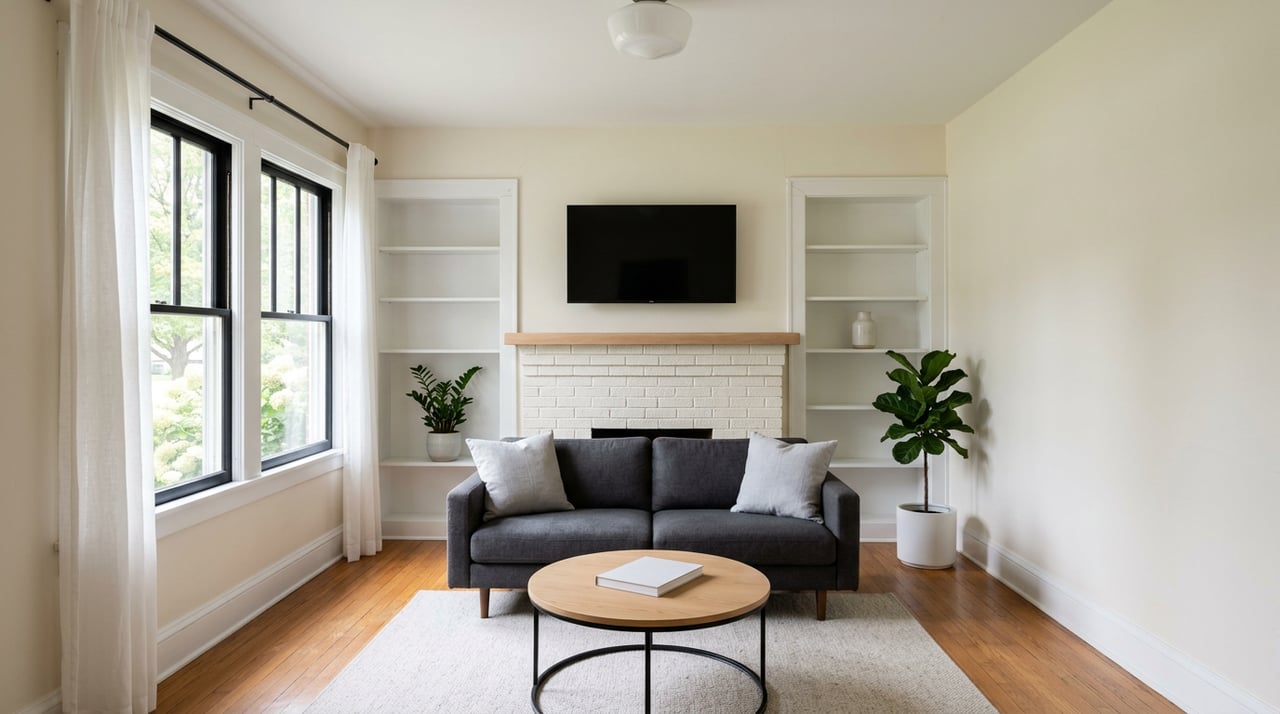
Buying your first home in West Akron can feel exciting and a little overwhelming. You want a solid house, a fair price, and clear steps that protect your budget. The good news: West Akron offers classic homes, reasonable prices, and a pace that rewards prepared buyers. In this guide, you’ll learn what homes cost, which styles you’ll see, what to inspect on older houses, how to write a strong offer, and how West Akron compares to nearby areas. Let’s dive in.
West Akron prices at a glance
Recent reports put West Akron in an entry-to-mid price tier. One major data source reported a median sale price near $120,000 in January 2026, while a modeled home value index showed a typical value closer to $98,000 through December 2025. These numbers vary by method and timing, but they point to an affordable market for first-time buyers.
Most move-in-ready single-family homes tend to land in the $100,000 to $200,000 range. You will also see entry-level or fixer opportunities under $100,000. Larger or renovated homes in premium pockets, including parts of Wallhaven and areas close to Fairlawn Heights, can sell well above that band.
What this means for your budget
- You have options across condition and size, with room to trade price for updates.
- Renovated listings and historic charm draw attention, so act quickly on standouts.
- Pre-approval is your superpower. It helps you focus your search and compete with confidence.
What you will see on the market
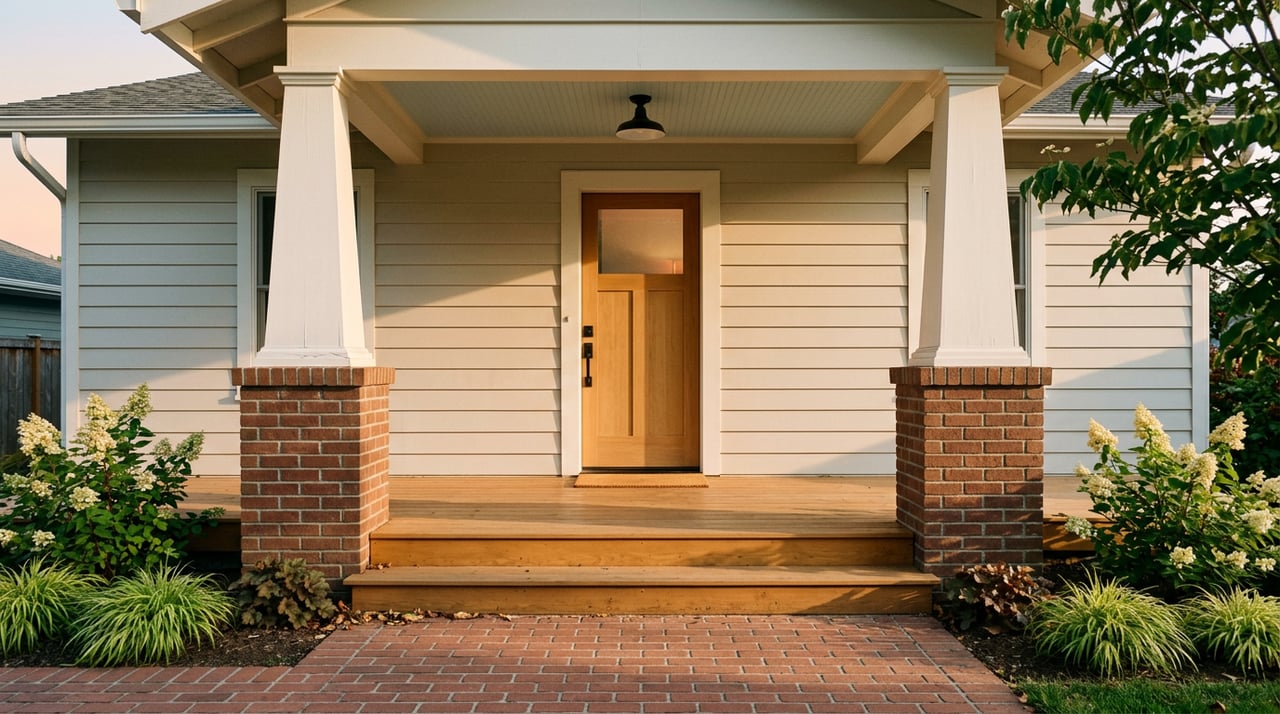
West Akron and nearby areas offer a wide mix of early- and mid-20th-century homes. Expect bungalows, Cape Cods, Colonials, Craftsman-era houses, and some Tudor or Queen Anne styles on select blocks. Later pockets include post‑WWII ranches. Many homes have basements and masonry or concrete block foundations typical of Northeast Ohio.
Lot sizes vary by street. Older grid blocks often have modest yards, while upper-end or later-developed areas feature larger lots and detached garages. You will find walkable pockets near retail corridors, with parks and trails close by. Many buyers appreciate access to places like Sand Run Metro Park.
Neighborhood notes
- Highland Square nearby is denser and often sees brisk demand for renovated homes. A local guide highlights its active retail and entertainment scene, which can drive a price premium for convenience.
- Wallhaven blends residential streets with active commercial stretches and some larger, well-kept older homes. Coverage notes that micro-pockets can carry a premium relative to West Akron’s average. Learn more about the area’s mix of retail and green space in this Wallhaven overview.
Inspection priorities for older Akron homes
Many West Akron houses were built before modern codes. A thorough inspection package helps you avoid surprises and negotiate with confidence.
Health and safety first
- Lead-based paint. If the home was built before 1978, federal rules require the seller to share known lead information and provide an EPA pamphlet. You have the right to a lead evaluation period. Review the EPA lead disclosure rule.
- Radon. Summit County is in the EPA’s high-potential radon zone, so testing is recommended on every home. Short-term tests are typically modest in cost, and mitigation systems are a common, effective fix when needed. Read the EPA’s radon zone summary for context in this document.
- Asbestos and HVAC safety. Older materials may contain asbestos. If you plan to renovate or if insulation is damaged, use qualified professionals. Make sure all fuel-burning appliances and chimneys vent safely.
Vintage systems to evaluate
- Electrical wiring. Homes built before the 1940s can still have knob-and-tube or other outdated wiring. These systems are often ungrounded, and insurers may require updates. See an overview of risks and upgrades in this knob-and-tube explainer.
- Plumbing and water supply. Original galvanized steel or old solder can affect pressure and water quality. Many cities nationwide are cataloging and replacing lead service lines over time. Ask about service-line material and consider a water test if plumbing appears original.
- Foundations and drainage. Clay-heavy soils and aging drainage can lead to basement moisture or movement. Check grading, gutters, and sump systems, and look for water intrusion signs. The county soil and water office offers stormwater education and resources at Summit SWCD.
- Sewer lateral. Older lines can have root intrusion or collapse. A camera sewer scope is a smart add-on for homes with mature trees or older piping.
A practical inspection package
Book a general home inspection right after you go under contract. In similar markets, a basic inspection often runs a few hundred dollars. Add targeted tests based on age and condition: radon, sewer camera, lead risk assessment, and HVAC or structural specialist visits. For perspective on add-on test costs, see this overview of typical inspection services from a national provider of inspector resources: home inspection and add-ons.
If a radon test reads above action levels, mitigation is a common solution, often in the low-thousands depending on the foundation. See a Summit County cost snapshot for context here: radon mitigation cost in Summit County.
How to write a strong offer in West Akron
West Akron is generally “somewhat competitive.” Many homes take weeks to sell, but the best listings can still draw multiple offers. Preparation and clean terms help you stand out without taking on unnecessary risk.
- Get full pre-approval. Include your lender’s pre-approval letter with your offer. All-cash buyers should include proof of funds.
- Know earnest money norms. A stronger, clearly explained deposit can signal commitment. Ask your agent what is typical locally and how the contract protects you.
- Keep a tight inspection window. Aim for a 7 to 10 day inspection period so sellers feel confident about your timeline. Avoid waiving inspections, especially on older homes.
- Negotiate with specifics. If inspections uncover issues, request targeted repairs or a seller credit. For big-ticket items like foundation work or electrical updates, ask for contractor estimates to support your request.
- Use escalation and appraisal tools with care. If multiple offers are likely, a capped escalation clause can help. Discuss appraisal-gap options with your lender before offering over recent comps. First-time buyers should be cautious about waiving key protections.
- Offer non-price wins. Flexible closing dates, allowing small seller repairs, or a short leaseback can make your offer more attractive without raising price.
West Akron vs nearby options
- Highland Square. Often described as walkable with active retail and entertainment. Renovated homes can draw stronger competition. A local guide to Akron neighborhoods highlights Highland Square’s amenities and demand trends.
- Wallhaven. Mixed retail and residential, with some larger homes and neighborhood parks. Certain micro-pockets can sit above West Akron’s average. Explore its blend of uses in this Wallhaven neighborhood feature.
- Fairlawn Heights. Adjoining areas include some larger historic homes and country-club-adjacent streets that push the upper end of local pricing.
Bottom line: West Akron gives you a wider range of starter-friendly options, while nearby micro-neighborhoods can carry premiums for convenience, lot size, or architectural scale. Your agent should help you compare recent sales to see where your budget stretches further.
Your next steps
Hire a local buyer’s agent who knows West Akron and adjacent pockets. You want someone who can read the micro-market and negotiate a fair deal.
Get written pre-approval before you tour seriously. This sharpens your price range and strengthens your offer.
Build your inspection plan upfront. Start with a general home inspection and a radon test. Add a sewer scope, lead risk assessment for pre-1978 homes, and HVAC or structural specialists as needed. For a sense of inspection and add-on pricing, review this inspection services overview.
Ask for records and disclosures. Request permits, prior inspection reports, radon or water test results, and required lead disclosures for pre-1978 homes. Confirm your rights under the EPA’s lead disclosure rule.
Check public records. Your agent can help you review tax history, past transfers, liens, and any visible permit history.
Walk the block at different times. Visit on a weekday evening and a weekend afternoon. Drive the route to nearby parks like Sand Run Metro Park to confirm access that fits your lifestyle.
Ready to make a confident first purchase in West Akron? With a construction-informed eye and negotiation-focused approach, I’ll help you find the right home, structure a smart offer, and protect your budget through inspections and closing. Let’s connect and map your plan with Kemi Alege.
FAQs
What is the typical West Akron home price for first-time buyers?
- Recent sources show a wide range, with a median near $120,000 by early 2026 and a typical value around $98,000 in late 2025; many move-in-ready homes sell between $100,000 and $200,000.
Are radon and lead paint common concerns in older Akron homes?
- In Summit County, radon testing is recommended for every home, and many pre-1978 houses may have lead-based paint; review your rights under the EPA lead disclosure rule and add a radon test to your inspection.
Which inspections should I prioritize on a vintage West Akron house?
- Start with a general home inspection and a radon test, then add a sewer scope, a lead risk assessment for pre-1978 homes, and specialist checks for electrical, HVAC, or structure based on initial findings.
How competitive are offers in West Akron right now?
- The market is generally somewhat competitive. Hot homes can get multiple offers, but many properties spend weeks on market, so a clean offer with pre-approval and a clear inspection timeline can stand out.
How does West Akron compare with Highland Square for a first purchase?
- West Akron often offers broader affordability and variety. Highland Square’s convenience and renovated homes can drive stronger competition and higher prices on select listings.
What home styles will I likely see in West Akron?
- You will see bungalows, Cape Cods, Colonials, and Craftsman-era homes, plus some Tudors and post‑WWII ranches. Many have basements and masonry or block foundations common to Northeast Ohio.