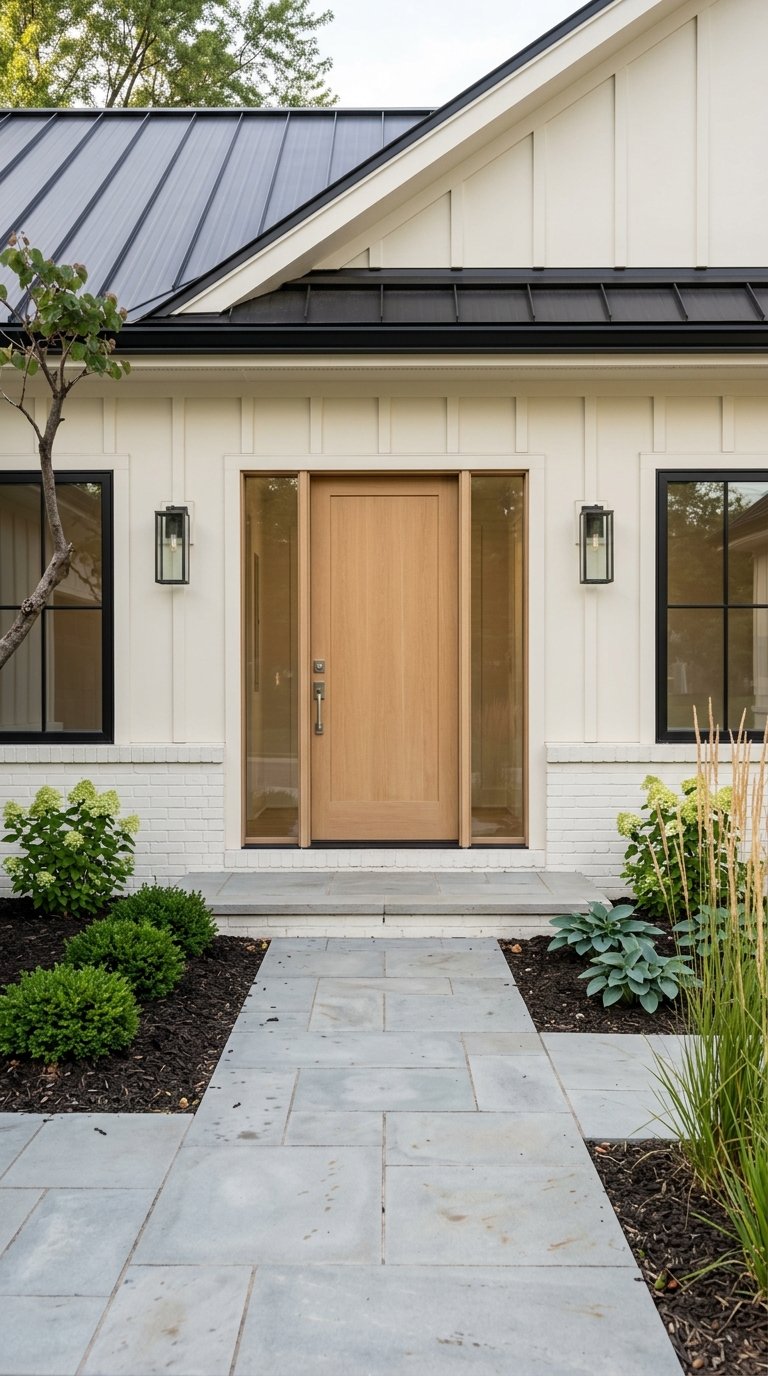
Wondering whether selling a luxury home in Cleveland works the same way as selling any other property? In many ways, it does not. Higher-end homes attract a smaller buyer pool, require sharper pricing, and depend heavily on presentation from day one. If you are preparing to sell, it helps to know what today’s luxury market looks like, what buyers expect, and how a thoughtful strategy can protect your price and timeline. Let’s dive in.
Cleveland luxury means local context
In Cleveland, luxury is best understood as a relative price tier, not a fixed number. According to Redfin’s luxury market data, the typical luxury home in the Cleveland metro was $757,046 in April 2025, based on the top 5% of sale prices over a rolling 12-month period.
That matters because luxury pricing in Northeast Ohio is very different from luxury pricing in many coastal markets. The same Redfin report noted Cleveland was one of only seven major U.S. metros where the typical luxury home still cost less than $1 million.
Your competition also depends heavily on location. Cuyahoga County planning data shows much of the county’s highest-priced single-family activity is concentrated in communities such as Hunting Valley, Bentleyville, Gates Mills, Pepper Pike, Moreland Hills, Chagrin Falls, Orange, Beachwood, Westlake, Rocky River, Solon, and Shaker Heights.
That is why luxury sellers should expect neighborhood-specific pricing and marketing, not broad countywide assumptions. A buyer comparing homes in Pepper Pike may not view value the same way as a buyer focused on Rocky River or Westlake.
Pricing matters even in a seller’s market
It is easy to assume that a seller’s market means you can price aggressively and wait for buyers to catch up. In reality, even strong markets still reward precision.
Realtor.com’s Cuyahoga County market overview classified the county as a seller’s market in January 2026. At the same time, homes sold for 1.96% below asking price on average and spent a median 61 days on market.
For a luxury listing, that tells you something important: demand may be solid, but buyers still respond to value. If your home is priced above what recent, truly comparable properties support, you may see longer market time, fewer qualified showings, and more negotiation pressure later.
A strong pricing strategy usually starts with:
- Recent comparable sales in your immediate area
- Active competition in your price bracket
- The home’s condition, updates, and presentation
- Lot, layout, architecture, and lifestyle features
- Current buyer behavior in that specific suburb or neighborhood
Expect a more detailed pre-listing process
Luxury sales often begin well before the home goes live. If you want a smoother launch, expect more planning on the front end.
According to NAR’s 2025 buyer and seller trends report, sellers most want help with marketing the home, pricing it competitively, and selling within a specific timeframe. The same report found that 83% of sellers’ agents provide a broad range of services and manage most aspects of the sale.
For you, that means a strong listing experience should go beyond putting the home in the MLS. You should expect guidance on timing, pricing logic, prep work, launch strategy, showings, and negotiations.
A typical pre-listing phase may include:
- A detailed walk-through of the property
- Recommendations for repairs or cosmetic updates
- Decluttering and editing personal items
- A staging plan or styling guidance
- Photography and media scheduling
- A launch timeline tied to market conditions
Presentation can affect both price and timing
Luxury buyers are not just buying square footage. They are responding to how the home feels, how it photographs, and how clearly they can imagine living there.
NAR’s 2025 staging survey found that 83% of buyers’ agents said staging made it easier for buyers to visualize the home as a future residence. The survey also found that 17% said staging increased the offer price by 1% to 5%, while 10% of sellers’ agents said staging increased dollar value by 6% to 10%.
Staging does not always mean bringing in all new furniture. Sometimes the best move is selective improvement, such as decluttering, rearranging rooms, removing dated decor, and addressing visible flaws that distract from the home’s strongest features.
The same NAR survey found that when sellers hired a staging service, the median spend was $1,500. It also noted that 30% of sellers’ agents said staging slightly reduced time on market.
Buyers expect strong visual marketing
When your home hits the market, the first showing usually happens online. That is especially true for higher-end homes, where buyers may screen options carefully before deciding which properties are worth an in-person visit.
NAR research on home search behavior shows that among buyers who used the internet in their search, photos were rated very useful by 83%, detailed property information by 79%, floor plans by 57%, virtual tours by 41%, and videos by 29%.
For a Cleveland luxury seller, this means professional visuals should be treated as core marketing, not optional extras. A polished launch often includes:
- Professional photography
- Detailed listing copy
- Floor plans
- Video walkthroughs
- A true virtual tour
That expectation is reinforced by NAR’s 2025 staging survey, which found that buyers’ agents viewed photos, videos, and virtual tours as more or much more important to clients at 88%, 47%, and 43%, respectively.
Marketing should match the home and the location
Luxury marketing is not one-size-fits-all. A suburban estate property, a renovated historic home, and a newer custom build may each need a slightly different story and rollout.
The goal is to present the home to the right buyers in the right format. According to NAR’s seller report, agents most often marketed homes through the MLS website, yard signs, open houses, agent websites, company websites, virtual tours, video, and social networking sites.
For higher-end listings, the strongest strategy usually combines broad exposure with targeted presentation. That means your home should not only appear where buyers search, but also be launched with messaging, visuals, and showing plans that fit the expectations of your specific market segment.
Showings are often more selective
Luxury sellers should also expect a different rhythm once the home is active. You may have fewer total showings than a lower-priced listing, but those showings are often more intentional.
Because the buyer pool is smaller, each showing matters more. That is why preparation, scheduling, and privacy planning are important parts of the process.
A strong showing plan may include:
- Advance notice protocols
- Thoughtful showing windows
- Private tours for qualified buyers
- A clean, photo-ready home at all times
- Clear follow-up after each showing
This part of the process can feel demanding, but it often supports better feedback and better negotiations. The more polished and consistent the showing experience, the easier it is for buyers to connect price with perceived value.
Negotiation can be more nuanced
Luxury transactions often involve more than just price. You may see negotiations around timing, inspections, contingencies, personal property, or closing flexibility.
That is one reason agent quality matters so much in this segment. According to NAR’s 2025 consumer research, sellers ranked agent reputation first when choosing an agent, followed by honesty and trustworthiness, while buyers placed agent experience at the top.
For you, that means it is smart to work with someone who can explain not just how they will market the property, but also how they will protect your position once offers start coming in. Strong negotiation is about reading the whole deal, not just reacting to the headline number.
Choosing the right luxury listing agent
If you are interviewing agents, expect the best ones to walk you through a full plan. That plan should be specific to your home, your goals, and your local market.
Based on NAR data and Cuyahoga County pricing patterns, here are smart questions to ask:
- How will you price my home based on nearby comparable sales?
- What prep work do you recommend before listing?
- Will you suggest staging, decluttering, or repairs?
- What photography, video, floor plan, and virtual tour assets will be created?
- How will you market the property online and through your brokerage channels?
- How will private showings be handled?
- What is your negotiation strategy if interest is slow or offers come in below expectations?
A strong answer should feel clear, local, and practical. It should not sound generic.
What you should expect overall
Selling a luxury home in Cleveland usually takes strategy, patience, and a strong launch. Even in a favorable market, buyers at higher price points are careful, comparison-driven, and quick to notice pricing or presentation gaps.
The good news is that Cleveland remains a market where luxury is still relatively accessible compared with many major metros. That creates opportunity for sellers who position their homes well, support the asking price with local data, and invest in the kind of marketing today’s buyers expect.
If you are thinking about selling and want a data-driven plan tailored to your home, neighborhood, and timeline, connect with Kemi Alege for expert guidance and a personalized strategy.
FAQs
What counts as a luxury home in Cleveland?
- In Cleveland, luxury is typically defined as the top end of the local market rather than a fixed price point. Redfin reported the typical luxury home in the Cleveland metro at $757,046 in April 2025.
How long does it take to sell a luxury home in Cuyahoga County?
- Market time varies by location, price, and presentation, but Realtor.com reported a median 61 days on market in Cuyahoga County in January 2026.
Why is pricing so important for a Cleveland luxury listing?
- Even in a seller’s market, homes in Cuyahoga County sold for an average of 1.96% below asking, which shows buyers still respond strongly to realistic pricing.
Should you stage a luxury home before selling in Cleveland?
- Staging or strategic preparation can help buyers picture the home more clearly. NAR found that 83% of buyers’ agents said staging made it easier for buyers to visualize a property as a future residence.
What marketing materials should a luxury home listing include?
- A strong luxury listing should usually include professional photos, detailed property information, floor plans, video, and a virtual tour, since buyers consistently rate these tools as useful during their search.
What should you ask a Cleveland luxury listing agent?
- Ask how they will price the home, prepare it for market, create visual assets, manage showings, market the property, and negotiate based on your location and goals.