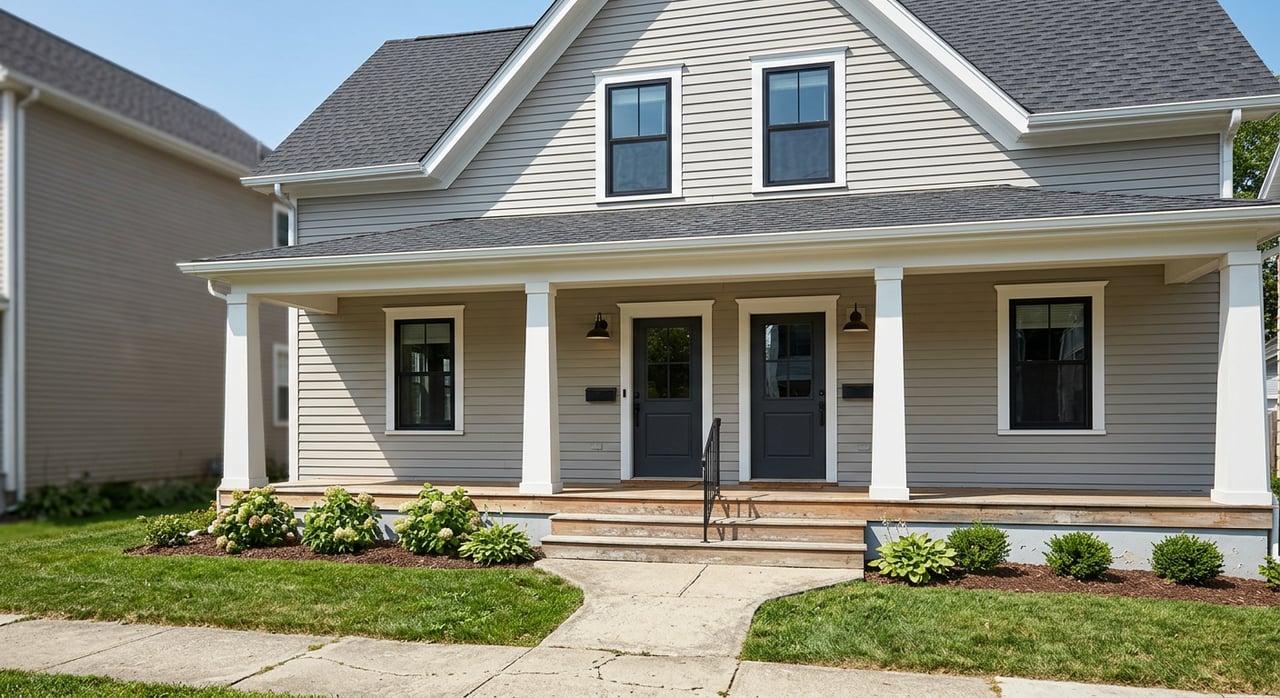
Thinking about adding a Cleveland duplex or triplex to your portfolio? You’re not alone. Investors are drawn to Northeast Ohio for its approachable prices, steady rental demand, and financing options that work for first-time and seasoned buyers. In this guide, you’ll get the key numbers, local regulations, due diligence steps, and financing paths you need to make a confident offer. Let’s dive in.
Why small multifamily in Cleveland
Cleveland offers lower entry prices compared to many big metros, while rents remain relatively stable. As a quick benchmark, typical asking rents across the metro in early 2026 hovered around $1,300 to $1,350 for common unit sizes. For conservative underwriting, you can also use HUD’s FY2026 Fair Market Rents, which list a metro 2-bedroom around $1,279, with studio and 1-bedroom figures below that level. You can review the full schedule in the HUD release for Cleveland’s metro area to compare unit types and sizes.
Owner-occupants can consider an FHA 2–4 unit loan by living in one unit, which can reduce your down payment while you build equity. Pure investors can use conventional investor loans or DSCR products, which underwrite to the property’s cash flow rather than your personal income. Pricing varies by neighborhood and condition, so plan to review recent closed sales and current rent rolls before you set an offer number.
Review HUD’s FY2026 Fair Market Rents
What you’ll see on the market
You’ll most often find three formats:
- Up/down duplexes, with one unit stacked over the other.
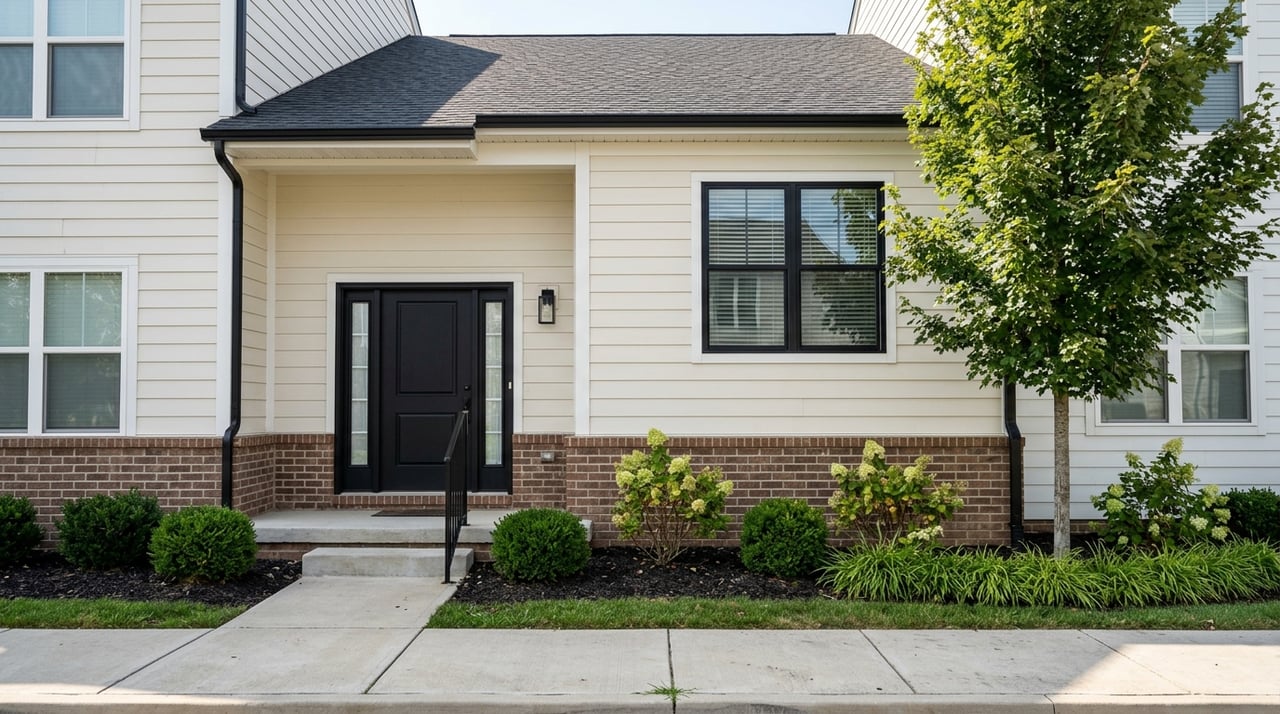
- Side-by-side “doubles,” which offer separate entrances and family-friendly layouts.
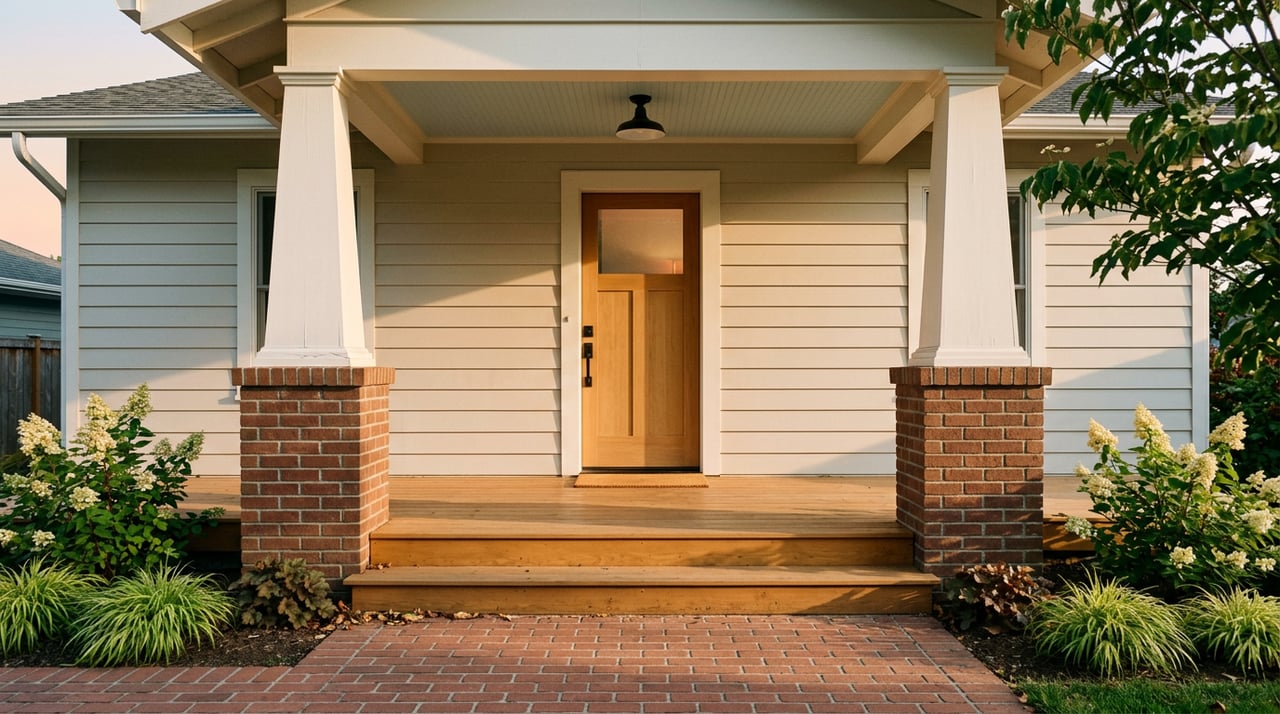
- Older single-family homes converted to a triplex. Always confirm the legal unit count and zoning before you assume the conversion is allowed.
If a listing is marketed as a triplex, do not rely on the MLS alone. Ask your agent to request written zoning verification or a confirmation from the City of Cleveland that the use is permitted for the parcel.
Check Cleveland Planning’s zoning resources
Rents, expenses, and quick underwriting
When you model income, use three rent references:
- The current rent roll and leases from the seller.
- Market asking rents for similar units and finishes.
- HUD FMRs as a conservative floor for planning.
Build your expense line items with real numbers where possible. Common operating costs include property taxes, insurance, owner-paid utilities, management, routine maintenance, landscaping/snow, vacancy, leasing/advertising, legal/accounting, and capital reserves. Many investors use the “50% rule” as a fast screen, assuming about half of gross rent goes to operating expenses before the mortgage, then refine that with actual bills.
- Management fees commonly range from 8% to 12% of collected rent on small multifamily.
- Older Cleveland housing often needs higher reserves. Budget for roof, HVAC, and plumbing/electrical updates, and plan for lead-safe compliance on pre-1978 buildings.
Learn the 50% rule and common expenses
Model property taxes after the 2024 reappraisal
Cuyahoga County completed a 2024 sexennial reappraisal with an average increase of about 32% in appraised values countywide. This affects property tax projections and your cash flow. Pull the parcel’s tax history and current payable amounts, then model taxes under the property’s taxing district and reduction factors. Expect neighborhood-level variation, so always run the numbers for the exact parcel before finalizing an offer.
See Cuyahoga County’s reappraisal update
Local rules: rental registration, lead-safe, and LAIC
Cleveland’s Residents First program sets clear requirements if you plan to rent your units:
- Annual rental registration and a Certificate Approving Rental Occupancy are required for non-owner-occupied units within city limits.
- Pre-1978 rentals must comply with lead-safe rules. Factor clearance testing and any remediation into your timeline and budget.
- Non-local owners may need a Local Agent in Charge (LAIC) to accept notices and share responsibility. Verify details before closing, because non-compliance can lead to fines and may complicate eviction actions.
Read the city’s guidance and set reminders for renewal so your property remains in good standing.
- How to register a rental in Cleveland
- Residents First overview and requirements
- LAIC one-pager for landlords
- Lead-safe steps for landlords and owners
Due diligence checklist you can use
Use this prioritized list to protect your downside and confirm the building’s legal status and true performance:
- Verify legal unit count and zoning. Request a zoning verification or written confirmation that the current unit count is permitted.
- Gather rental documents. Rent roll, leases, deposit ledger, tenant contact list, and 12–24 months of owner P&L or bank statements.
- Confirm municipal compliance. Ask for current Cleveland rental registration, lead-safe certificates or risk assessments, and any open code cases.
- Inspect the property. Full multi-unit inspection plus pest/moisture and a lead risk assessment for pre-1978 properties. Get written bids for needed work.
- Check utilities and meters. Confirm who pays what and whether each unit is separately metered.
- Review taxes and liens. Pull parcel tax history, current payable amounts, special assessments, and any delinquencies.
- Search code enforcement and litigation records. Require seller disclosures and consider escrow holds for known code work.
- Get an insurance quote. Older buildings and prior claims can change premiums.
- Align financing early. Choose FHA owner-occupant vs. conventional or DSCR investor products and confirm reserve and occupancy rules.
- Line up management. If you’re remote, retain a manager who can handle city registration, inspections, and LAIC responsibilities if needed.
Financing options to compare
Owner-occupant path. FHA loans allow qualified buyers to purchase 2–4 unit properties with lower down payment if you live in one unit. For 3–4 units, lenders apply self-sufficiency and reserve tests, so verify the most current rules before you write an offer. See FHA 2–4 unit guidance
Investor financing. Conventional investor loans and DSCR products are common for out-of-state buyers. Expect larger down payments and underwriting centered on the property’s rents and expenses.
Neighborhood strategy at a glance
Cleveland’s neighborhoods vary in price per door, expected rents, and cap rates. Some close-in areas with new development tend to offer higher rents and lower cap rates. Other established bedroom communities can balance occupancy and cash flow. Value-oriented areas may present lower entry prices with higher management and capital expense risk. Because outcomes are block-specific, lean on closed sales, rent comps, and inspection findings to sort true value from appearance.
How a local partner helps you win
When you buy from out of town, you need more than listings. You need eyes on site, municipal know-how, and a tight vendor bench. A local agent who understands Cleveland’s rental registration, lead-safe timelines, and zoning verifications can help you:
- Source solid duplex/triplex opportunities and analyze rent comps.
- Pull city compliance records and align your offer with real timelines.
- Coordinate inspections, bids, and property management introductions.
- Structure contingencies that protect your earnest money and schedule.
If you’re considering a Cleveland duplex or triplex, let’s talk. You’ll get clear guidance, practical numbers, and a plan tailored to your goals.
Ready to start? Connect with Kemi Alege for a no-pressure consultation and local next steps.
FAQs
What are typical Cleveland rents for a 2-bedroom in small multifamily?
- As a planning floor, HUD’s FY2026 metro 2-bedroom Fair Market Rent is about $1,279. Market asking rents for common unit sizes have recently sat around $1,300 to $1,350, depending on location and finishes. Check HUD’s schedule.
What is Cleveland’s Residents First program for landlords?
- It requires annual rental registration, lead-safe compliance for pre-1978 units, and may require a Local Agent in Charge for non-local owners. Non-compliance can lead to fines and complications in court actions. See the city’s overview.
Do I need a lead-safe certificate to rent a pre-1978 duplex or triplex in Cleveland?
- Yes. Pre-1978 rentals must follow lead-safe rules, including risk assessments and clearance testing as required. Build the timing and potential remediation into your budget. View landlord steps.
How does FHA work for a 2–4 unit purchase if I live in one unit?
- Qualified buyers can use FHA with a lower down payment. For 3–4 units, lenders require self-sufficiency and additional reserves. Always confirm current lender overlays before offering. Review FHA guidance.
How do evictions work in Ohio if a tenant stops paying?
- Ohio uses a judicial process under the Revised Code. A 3-day notice to pay or quit is typical before filing. Timelines are statutory, so use local counsel and management. Read ORC Chapter 1923.
How does the 2024 Cuyahoga reappraisal affect my underwriting?
- The average appraised value increase was about 32% countywide, which can raise tax bills. Pull parcel-level tax data for each target property and model the impact before you finalize your offer. See the county’s update.