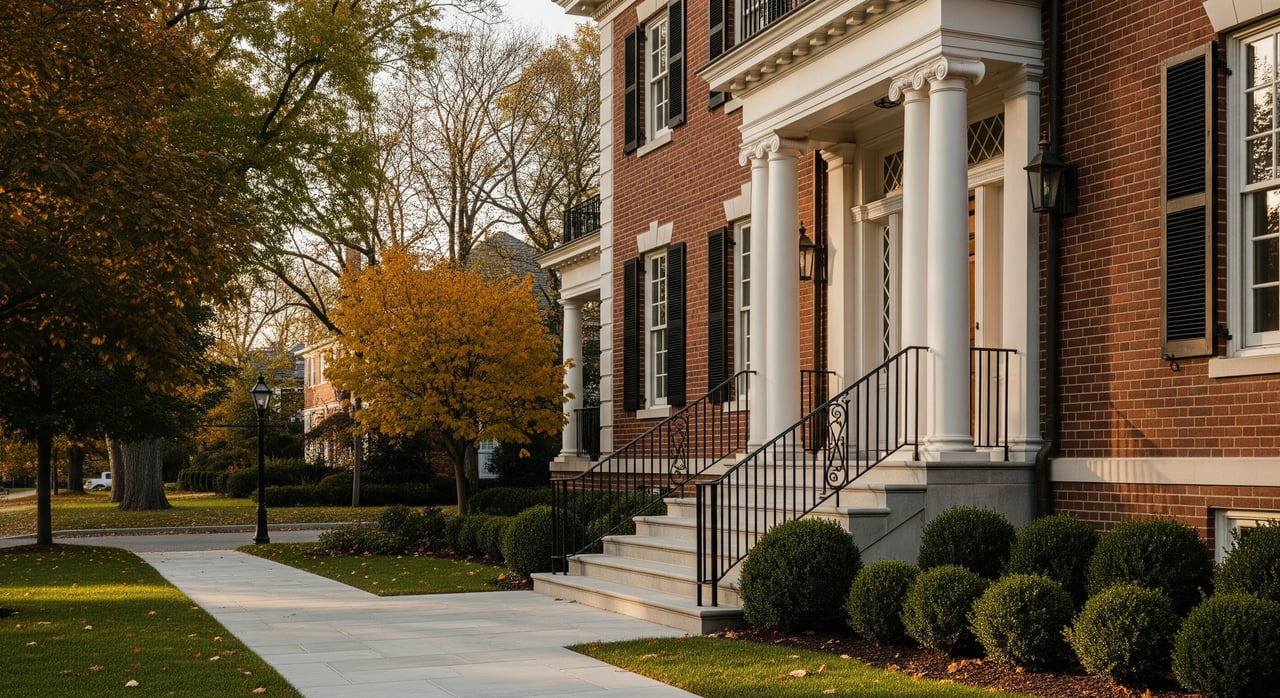
What does a typical day in Cleveland look like for you? Maybe you want a short walk to coffee and theaters, or easy lake access and a quiet block with character homes. If you are planning a move or exploring where to buy, a clear picture of neighborhoods, homes and lifestyle can help you make a smart decision. In this guide, you will learn how Cleveland’s areas differ, what housing looks like, how you get around, and practical tips for buying with confidence. Let’s dive in.
Cleveland at a glance
Cleveland is a mosaic of lively urban hubs, lakefront parks, cultural districts and older residential streets. The city’s core has entertainment and jobs, while nearby neighborhoods mix historic homes, local businesses and new development. You will also find inner-ring suburbs that many Cleveland workers choose for yard space and different municipal services.
If you enjoy walkable streets and nightlife, areas near Downtown or the near West Side may suit you. If you prefer museums, hospitals and universities nearby, the east-side cultural corridor stands out. Lake lovers often focus near the shoreline. If you want more yard and a quieter pace, inner-ring suburbs just outside the city can be a strong fit.
Neighborhoods and daily life
Downtown, Warehouse District and the Flats
This is Cleveland’s urban core, with high-rise living, offices and major entertainment. You can walk to restaurants, grocery options and Playhouse Square, which is one of the nation’s largest theater districts. Evenings stay lively, with events that bring energy to the streets.
Day in the life: Grab coffee, walk to work, and catch a show after dinner. Your home is likely a condo or loft in a converted building, with elevators and structured parking nearby.
Lakefront and Edgewater
The lakefront offers parks, beaches and trails, including popular spots like Edgewater Park. Daily life here leans outdoor-forward in warm months, with biking, running and lake views. Nights are quieter than the core, except during special events.
Homes near the lake include condos and apartments, with single-family houses as you go a bit inland. If a beach day and sunset walks appeal to you, put this area on your list.
Ohio City, Tremont and Detroit–Shoreway
These near West Side neighborhoods are known for restaurants, independent shops and a strong street scene. Ohio City’s West Side Market is a landmark for local vendors and fresh ingredients. Breweries, boutiques and small galleries add to the walkable vibe.
Housing here blends renovated brick rowhouses, converted industrial lofts and classic two- or three-family homes. Day in the life: Walk for groceries at the market, bike to a neighborhood park and meet friends for dinner without needing the car.
University Circle, Midtown and Little Italy
This east-side corridor concentrates museums, hospitals and universities. The Cleveland Museum of Art and other institutions anchor daytime activity and cultural programming. Transit connections to Downtown are strong along Euclid Avenue.
You will find apartments, condos and historic single-family homes nearby. Day in the life: Commute by transit to a hospital or campus, visit a museum on a lunch break and enjoy dinner in Little Italy’s village setting.
Collinwood and the Northeast Shoreway
Collinwood and nearby lake neighborhoods are seeing new arts and small-business activity, along with continued residential life. Pocket by pocket, you will notice renovation and infill alongside longtime neighbors.
Housing often includes modest bungalows and older single-family homes with character. If you want value, local businesses and lake access in certain spots, this area is worth touring.
Glenville, Hough and Fairfax
These are historically residential neighborhoods near major institutions. You will see a mix of early 20th-century homes, some vacant lots and multifamily buildings, plus areas of ongoing revitalization.
Services cluster along key corridors, and new development continues near medical campuses. If you are open to renovation or want to live close to healthcare employers, explore current projects and street-level conditions.
Inner-ring suburbs for context
Many city workers also consider nearby suburbs such as Cleveland Heights, Shaker Heights and Lakewood. These communities offer streetcar-era homes, different zoning and yard sizes. Municipal services and property taxes can vary by suburb.
Day in the life: Drive to a neighborhood grocery, enjoy a leafy street with a porch, and commute to the city along main corridors. If you want more space and a residential feel, compare these options with your in-city favorites.
Homes and architecture
Cleveland’s housing stock is rich in character and variety. Common types include:
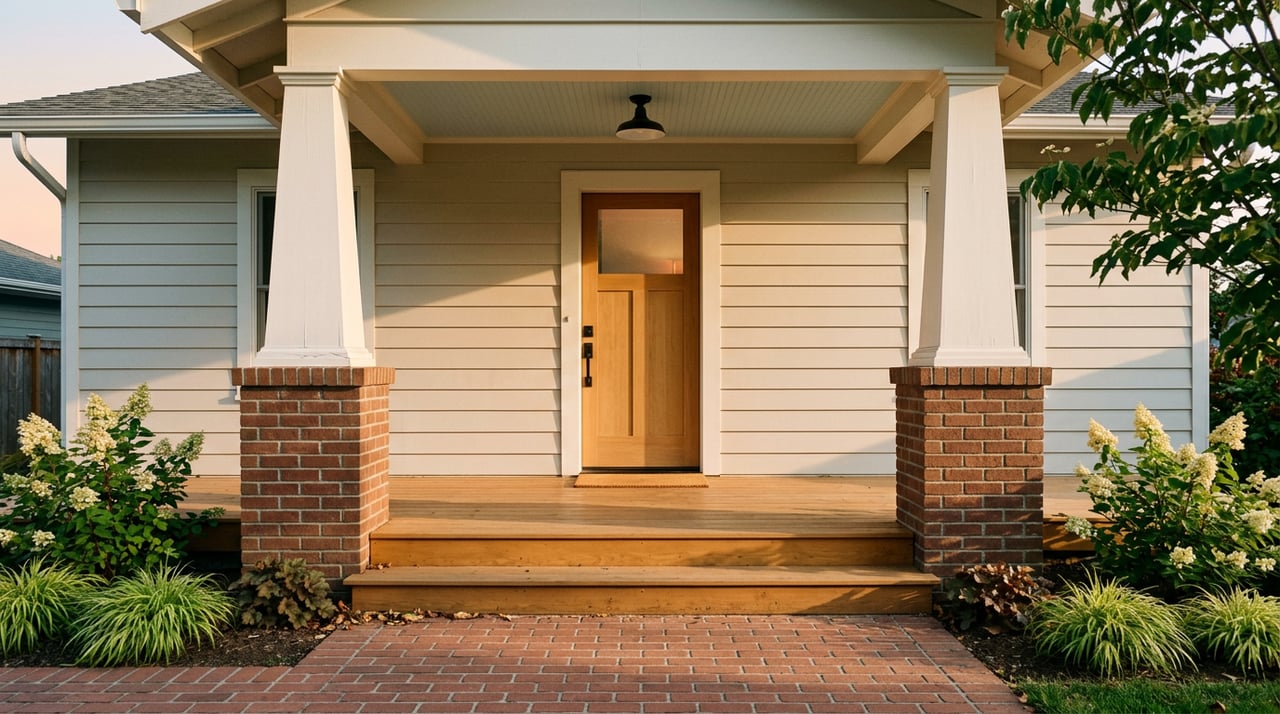
- Early 20th-century single-family homes, including Colonial and Craftsman styles.
- Two- and three-family buildings, often with an owner’s unit and rental units for flexibility.
- Brick rowhouses and brownstones in select West Side areas.
- Mid-century ranches and bungalows in some neighborhoods and inner suburbs.
- Converted industrial lofts and newer condo towers in Downtown and the Warehouse District.
- Targeted infill construction and gut rehabs that appeal to first-time buyers and investors.
Age and condition matter. Many homes date to the late 19th and early 20th centuries, which bring hardwood floors, detailed trim and period charm. Older systems are common, so plan for thorough inspections and potential updates to electrical, plumbing, foundations and roofs. Historic districts exist in parts of the city and can influence renovation approvals and tax incentive eligibility.
Pricing has historically trended below the national median, with notable differences between higher-demand neighborhoods and areas still in transition. Some pockets have seen appreciation tied to redevelopment, lakefront amenities and major employers. Owner-occupant and investor mix varies by block, and the availability of lower-cost acquisitions can be influenced by public programs. If you want a rental unit to offset your mortgage, two- or three-family homes can be a practical path.
Getting around and commute
Cleveland’s Regional Transit Authority operates buses, rail lines and a bus rapid transit line along Euclid Avenue known as the HealthLine. Transit tends to be strongest between Downtown and University Circle and along key corridors like West 25th Street in Ohio City. Service is less frequent in outer residential pockets, so confirm schedules if you plan to commute by transit.
Driving is straightforward, with major interstates I-90, I-71 and I-77 connecting the region. Downtown offers garages and street parking zones, while certain neighborhoods use permits for residential streets. If you have multiple vehicles, check on-street rules and driveway access before you buy.
Biking and active transportation are growing. The lakefront trail, Cuyahoga Valley connections and greenways provide scenic routes for recreation and commuting where connected. If you travel often, Cleveland Hopkins International Airport provides regional and national access, with both highway and transit connections.
Typical commutes vary by neighborhood and job. Living near Downtown or University Circle can shorten trips to healthcare, education and arts employers. Suburban commuters often use the highway system or park-and-ride lots on rail or bus lines.
Everyday amenities and culture
Cleveland’s arts scene runs deep. Playhouse Square anchors major performances, while neighborhood galleries and smaller theaters add local flavor in places like Tremont and Gordon Square. Museums in University Circle draw visitors year-round.
Food and drink options include independent restaurants, neighborhood cafes and a growing craft brewery scene. The West Side Market remains a go-to for fresh produce, specialty foods and local vendors. Many neighborhoods also host seasonal farmers markets and community events.
Parks and the lake are part of daily life. Cleveland Metroparks, often called the Emerald Necklace, brings trails, nature areas and river corridors throughout the county. Along the shoreline, parks like Edgewater and Wendy Park offer beach days, picnics and skyline views. A short drive south, Cuyahoga Valley National Park adds hiking and bike paths for weekend adventures.
Sports are central to the city’s calendar. Pro teams create a fun game-day atmosphere, and festivals like film, arts and tech events fill the year with activity. Healthcare and higher education are major anchors for jobs and services, shaping demand for housing near University Circle and medical campuses.
Schools in the city are served by the Cleveland Metropolitan School District, with numerous charter and private options. Families often compare programs, commute logistics and nearby services. For school-specific details, review official district resources and state education sites as part of your research.
Practical buyer tips for Cleveland
- Safety and feel: Perceptions can vary by block. Visit at different times of day, talk to neighbors and review multiple data sources to look for long-term trends, not one-year spikes.
- Inspections and older home issues: Budget for a full home inspection, a sewer scope when applicable, and radon testing. If children are present, lead testing can be important for pre-1978 homes. Historic homes may qualify for tax credits or have preservation review, so verify rules before you renovate.
- Financing and assistance: Conventional, FHA and VA loans are common. If you plan upgrades, explore rehab-friendly options such as 203(k) loans. City and county programs sometimes support acquisition or rehab or offer down payment help. Confirm current terms and eligibility with local housing offices.
- Property taxes: Rates and assessments differ by municipality. Check the Cuyahoga County Auditor for tax estimates and any available exemptions, including homestead for seniors.
- Flood risk and climate: Cleveland winters bring lake-effect snow. Plan for snow removal and heating costs. For lakefront or low-lying properties, review flood maps and consider whether flood insurance is required or advisable.
- Zoning and future change: Redevelopment near the waterfront, Gordon Square and institutional corridors may affect property values and construction activity. Review city planning maps and any pending infrastructure projects as part of your due diligence.
- Lifestyle fit and logistics: Confirm parking, driveway access and pet rules for condos or HOAs. Map your grocery, parks and daycare options. Investors should review local landlord registration and inspection requirements and check rental demand and vacancy patterns by neighborhood.
Is Cleveland the right fit for you?
If you want a city with distinct neighborhoods, real character in its housing and strong cultural anchors, Cleveland offers a lot to explore. You can choose a lively, walkable block, a lakefront lifestyle or a quiet street near parks and schools. With many older homes, a thoughtful inspection plan and clear financing can set you up for success.
You do not have to figure it out alone. If you want a local guide who pairs construction know-how with negotiation skill and market insight, connect with Kemi Alege. Let’s map your lifestyle, compare neighborhoods and find a home that fits.
FAQs
What are the most walkable Cleveland neighborhoods for nightlife?
- Downtown, Ohio City, Tremont and Detroit–Shoreway have strong street life, frequent dining options and short trips for errands and entertainment.
Which Cleveland areas are close to hospitals and museums?
- University Circle, Midtown and Little Italy cluster major hospitals, museums and universities with solid transit connections to Downtown.
What types of homes are common in Cleveland?
- You will find early 20th-century single-family homes, two- and three-family buildings, brick rowhouses, mid-century ranches, converted industrial lofts and newer condos or infill.
How should I plan for older home maintenance in Cleveland?
- Budget for inspections and likely system updates for electrical, plumbing, roofing and foundations, and consider sewer scopes, radon and lead testing where applicable.
What is commuting like in Cleveland?
- Commutes vary by job and neighborhood; transit is strongest between Downtown and University Circle, while highways I-90, I-71 and I-77 connect most other trips.
Where can I enjoy the lake and outdoor parks?
- Edgewater Park and other lakefront parks offer beaches and trails, Cleveland Metroparks provides extensive green space, and Cuyahoga Valley National Park is a short drive south.
Are there programs to help with buying or renovating?
- City and county programs can sometimes support acquisition, rehab or down payment assistance, and rehab-friendly loan options may help with updates.
What should investors consider in Cleveland?
- Review neighborhood-level rental demand, vacancy trends and local landlord rules, and target blocks that align with your cash-flow goals and property-condition strategy.