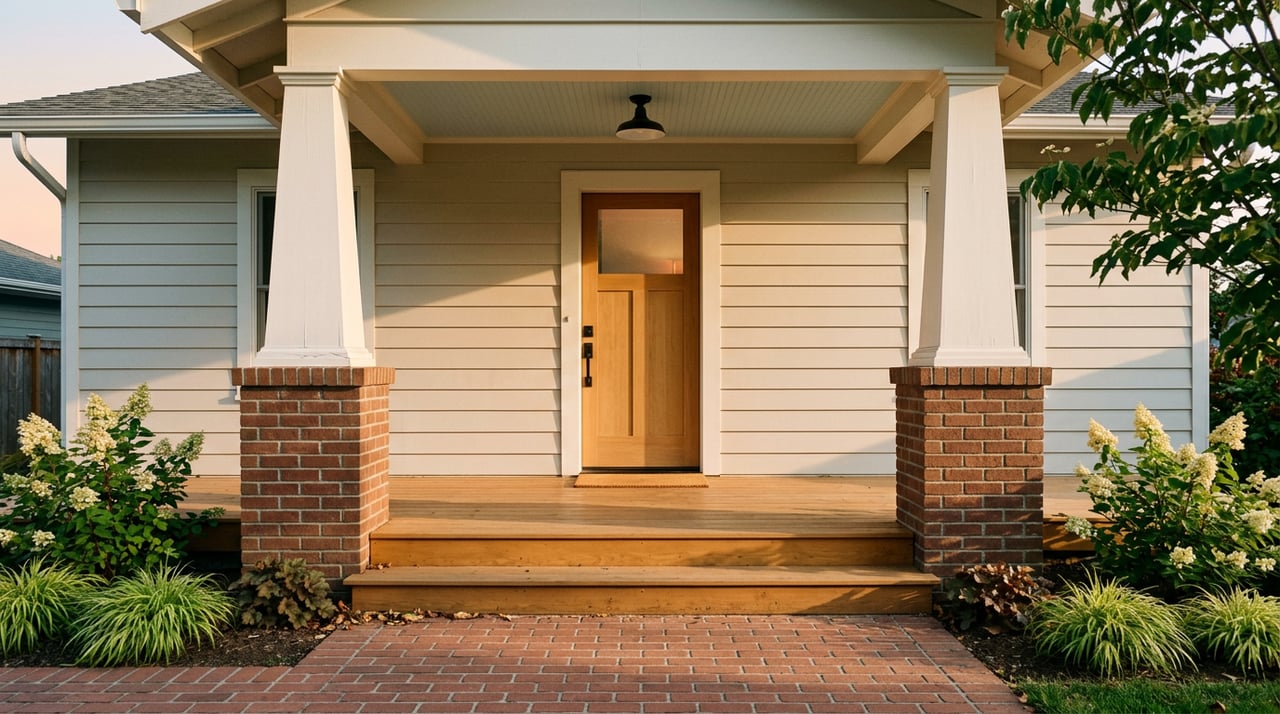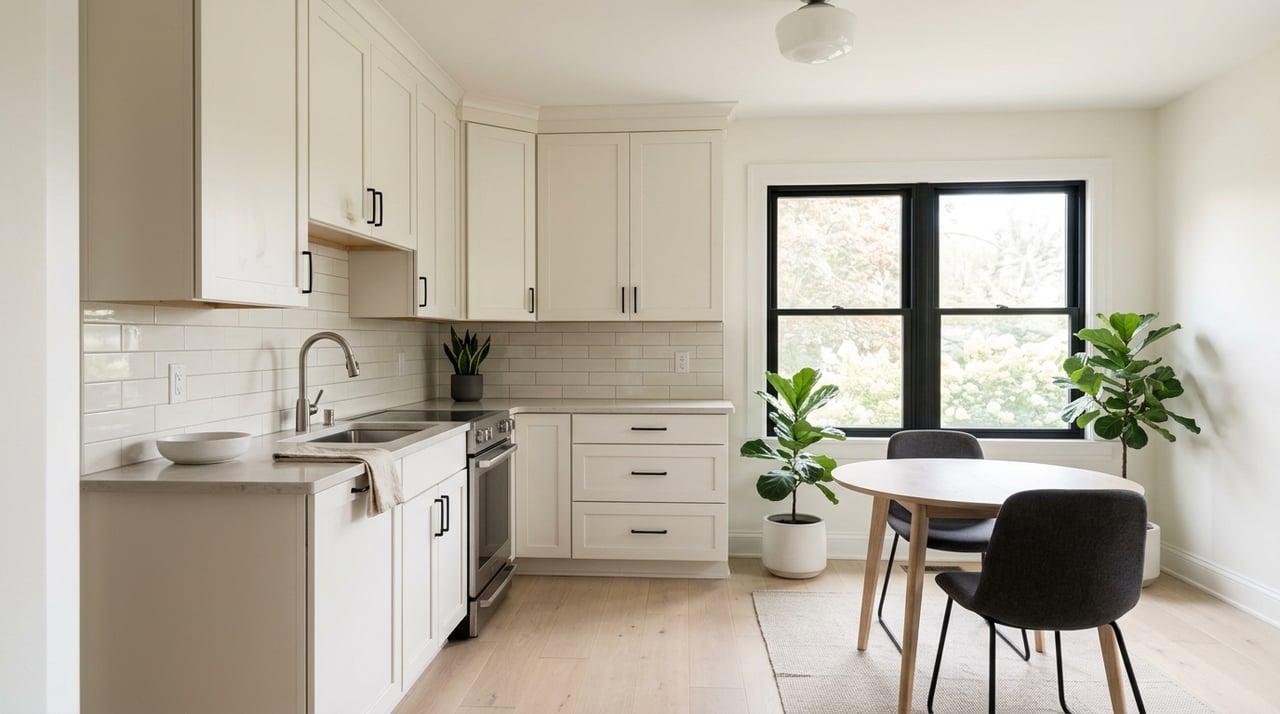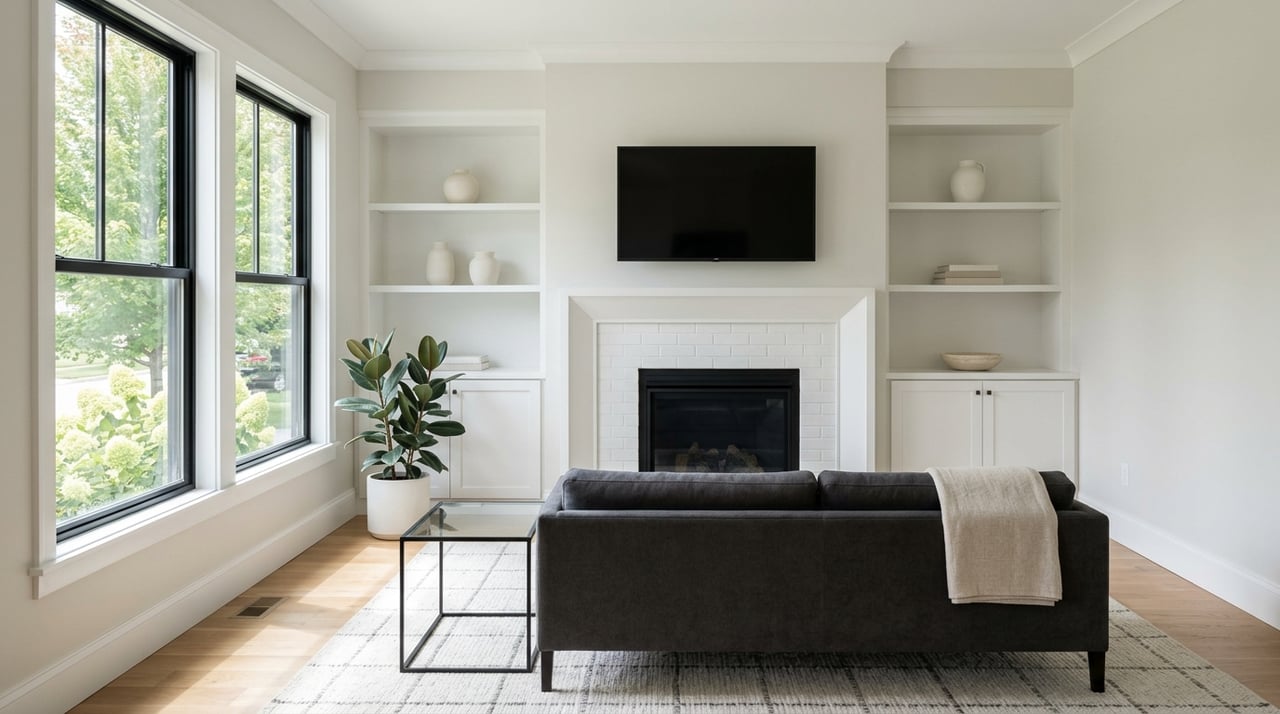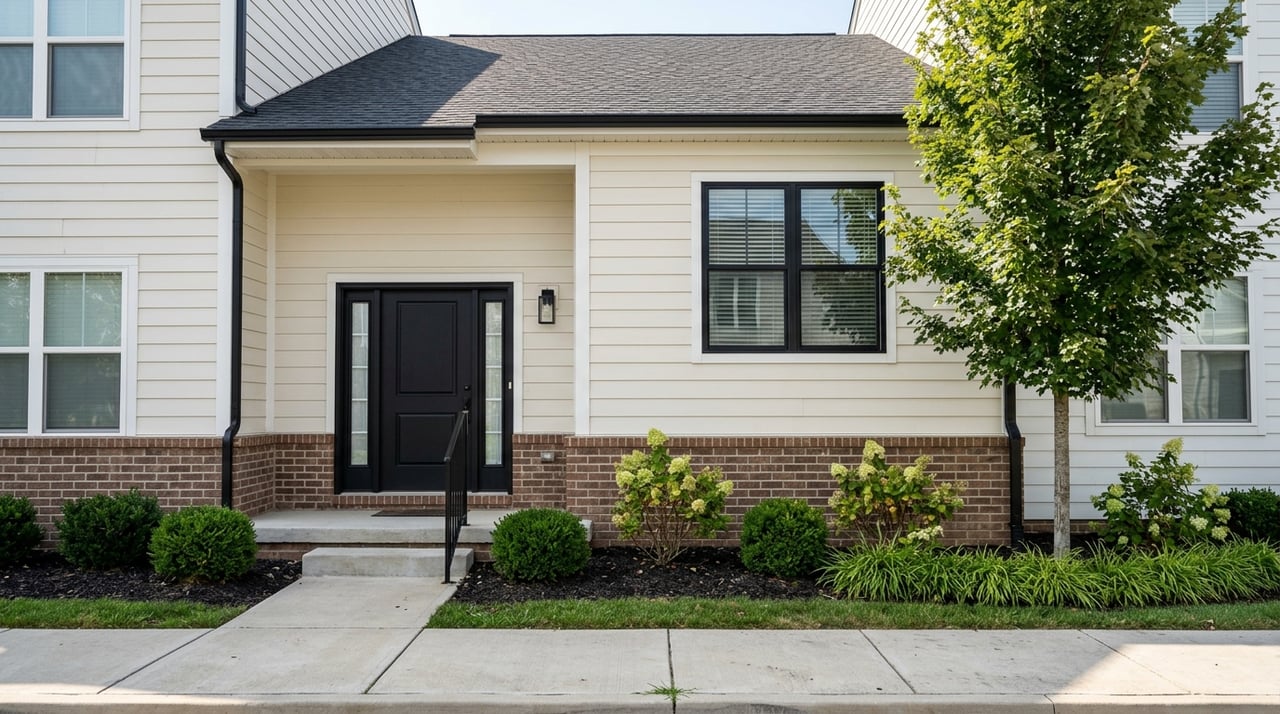
What if your next home could help pay your mortgage? In Cuyahoga Falls, a smart duplex purchase can reduce your housing costs while you build equity and learn the rental game. If you want a clear path to lower monthly expenses without taking on a large apartment building, this guide is for you. You’ll learn how to evaluate a duplex for cash flow and livability, compare financing options, and plan your first steps with confidence. Let’s dive in.
Why house hack a duplex in Cuyahoga Falls
A duplex lets you live in one unit and rent the other to offset your payment. It fits value-minded buyers because the second unit’s income can cover a meaningful portion of your mortgage and expenses. You can also stay hands-on with maintenance and tenant selection while keeping control of the property’s condition.
Cuyahoga Falls benefits from regional demand across the Akron–Canton area. Many renters work in nearby job centers or study and train near area institutions. Convenient interstate access and proximity to parks and amenities support both livability and rentability. That mix can help you keep vacancy low when you price and market correctly.
How to estimate value and rent
Find true rent comps
Start with active and recently leased duplex units in Cuyahoga Falls with the same bedroom count and similar condition. Look at several sources, including listings and local property managers, to avoid outliers. Use the Akron–Canton HUD Fair Market Rents as a regional benchmark, not a promise, and compare them to local comps.
Adjust for utilities and amenities
Confirm who pays which utilities. If you, as the owner, cover water, sewer, or heat, effective rent is lower than the list price. Adjust for parking, laundry, HVAC updates, and storage because these features can move rent up or down.
Budget for vacancy and demand signals
Plan for a conservative vacancy allowance of 5 to 10 percent. Track how long similar units stay on market and note seasonal patterns. Employment and population trends in Summit County and nearby cities are helpful signals for sustained demand.
Financing your owner-occupant duplex
FHA basics
FHA financing allows you to buy a 2–4 unit property as your primary residence with a lower down payment than many conventional options. You generally must move in within a set period and maintain it as your primary home for about one year. Mortgage insurance premiums apply and should be included in your payment.
VA option
If you are an eligible veteran or service member, you can use a VA loan on a multi-unit property when you occupy one unit. Zero-down options may be available, along with a VA funding fee for most borrowers. Occupancy and documentation rules apply.
Conventional loans
Conventional loans are widely available for owner-occupied duplexes but often require stronger credit and a higher down payment. Private mortgage insurance may be required if you put less than 20 percent down. Underwriting will consider your plan to occupy and may count some rental income.
Renovation loans for fixer duplexes
If the property needs work, FHA 203(k) and certain conventional renovation products can finance purchase plus rehab in one loan. This approach can help you improve units and boost long-term rent potential without paying all rehab costs upfront. Make sure to price contractor bids and timelines carefully before locking in the loan.
Down payment help in Ohio
State and local programs may offer grants or second-mortgage assistance for eligible owner-occupants. Check current options with the Ohio Housing Finance Agency and local housing agencies. Program rules and income limits change, so verify details with a lender.
How lenders count duplex rent
Many lenders allow a portion of the second unit’s rent to help you qualify. If there is a documented lease, the lender may use it with verification. Without a lease, underwriters often rely on the appraisal’s market rent and may apply a factor, such as 75 to 80 percent of gross rent, to account for vacancy and expenses.
Analyze cash flow in five steps
Use this repeatable framework to decide if the numbers work for you:
- Calculate Gross Scheduled Rent (GSR). Add both units’ monthly rents at full occupancy and annualize it.
- Subtract a vacancy allowance. Use 5 to 10 percent of GSR, then add any other income to get Effective Gross Income (EGI).
- Estimate operating expenses. Include taxes, insurance, maintenance, management, owner-paid utilities, legal/advertising, and reserves. A quick planning rule is 40 to 60 percent of EGI, but verify with property-specific numbers.
- Find Net Operating Income (NOI). Subtract operating expenses from EGI.
- Subtract debt service. Include principal, interest, mortgage insurance, and any HOA fee. The result is annual cash flow. Then compute Cash-on-Cash Return as annual cash flow divided by your total cash invested.
Example with hypothetical numbers
- Purchase price: $150,000
- Monthly rents: Unit A $900, Unit B $800 → GSR $1,700 per month → $20,400 per year
- Vacancy at 8 percent: −$1,632 → EGI $18,768
- Operating expenses at 45 percent of EGI: $8,445 → NOI $10,323
- Estimated annual debt service: $8,400 → Cash flow about $1,923 per year
- If your cash invested is $20,000, Cash-on-Cash Return is about 9.6 percent
Change any assumption and your result changes. Test multiple scenarios for interest rates, taxes, insurance, and repairs before you offer.
Livability checklist for long-term success
- Separate entrances and practical layouts that support privacy.
- Solid sound isolation between units to reduce noise transfer.
- Reliable major systems: roof, HVAC, water heater, and electrical.
- Safe, convenient parking and good curb appeal for tenant retention.
- Neutral updates in kitchens and baths that photograph well.
- Proximity to everyday amenities that align with your target renter profile. Local school districts and nearby amenities can influence rent levels and lease-up time.
Due diligence before you offer
- Confirm zoning and permitted uses with the City of Cuyahoga Falls.
- Check for rental registration, required inspections, and occupancy limits.
- Ask for rent roll, current leases, utility bills, maintenance records, and any recent inspection reports.
- Verify whether utilities are separately metered; separate meters simplify expenses.
- Order a general home inspection and specialists as needed, such as roof, HVAC, and a sewer scope. For pre-1978 properties, confirm lead paint disclosures.
- Review parking, ingress and egress, and code compliance for smoke and carbon monoxide detectors.
- Pull parcel data, tax history, and any recorded easements from the Summit County Auditor/Recorder.
Local rules and resources to check
- City of Cuyahoga Falls municipal code for rental registration and inspections.
- Summit County Auditor for parcel, taxes, and ownership history.
- Summit County health or environmental departments for property-specific concerns.
- HUD Fair Market Rents for Akron–Canton as a benchmark when testing rent assumptions.
- Ohio Housing Finance Agency for current buyer assistance programs.
Your first 60 days after closing
- Stabilize occupancy. If a unit is vacant, market it with clear photos, accurate pricing, and firm screening criteria that comply with fair housing laws.
- Set up bookkeeping. Use separate accounts and track income and expenses by category from day one.
- Build your reserve. Target at least several months of expenses for repairs and turnover.
- Address safety and habitability first. Prioritize smoke and carbon monoxide detectors, locks, handrails, and any urgent system issues.
- Plan upgrades with the best rent impact, such as lighting, paint, and minor kitchen or bath refreshes.
Buying a duplex in Cuyahoga Falls can be a practical, stepwise way to lower your housing costs and start investing. With the right financing and a clear cash-flow plan, you can learn while you live and build long-term equity. If you want a local partner who blends construction-savvy guidance with negotiation skill and investor-friendly analysis, connect with Kemi Alege to map your next move.
FAQs
What is duplex house hacking in Cuyahoga Falls?
- You live in one unit of a two-unit property and rent the other to offset your mortgage, reduce housing costs, and build equity over time.
How do lenders count rent for qualification?
- Many lenders use a portion of market rent or an existing lease and may apply a factor, such as 75 to 80 percent, to account for vacancy and expenses.
Which loan is best for an owner-occupant duplex?
- FHA offers low down payment options, VA can offer zero-down for eligible borrowers, and conventional loans may fit if you have stronger credit and reserves.
How much vacancy should I budget in Summit County?
- A conservative planning range is 5 to 10 percent of gross scheduled rent, adjusted based on recent lease-up times for similar units.
Do utilities need to be separately metered?
- Separate meters simplify expenses and billing, but they are not required everywhere; confirm local rules and factor owner-paid utilities into your cash flow.
What inspections should I order on an older duplex?
- Get a full home inspection plus specialists as needed, such as roof, HVAC, and a sewer scope; confirm lead paint disclosures for pre-1978 homes.
Where can I verify local landlord requirements?
- Check the City of Cuyahoga Falls for rental registration and inspections and use the Summit County Auditor for tax and parcel records.