Are you getting ready to sell in Cuyahoga Falls and wondering what your home is really worth? Pricing is where deals are won or lost. It is not guesswork, and it is not just about what your neighbor’s house sold for. You need a clear view of today’s market, your micro-neighborhood, and how buyers will respond in the first two weeks. In this guide, you will learn how pricing truly works in Cuyahoga Falls so you can launch with confidence and protect your bottom line. Let’s dive in.
What sets market value in Cuyahoga Falls
Market value comes from how qualified buyers respond to your home compared to recent sales and active competition. Several professionals play a role in shaping price and outcome.
- The listing agent prepares a Comparative Market Analysis, advises price, and builds the marketing plan.
- The buyer’s agent tests your price against alternatives and negotiates on behalf of the buyer.
- The appraiser provides an independent opinion of value for the buyer’s lender using closed sales.
- Inspectors and contractors identify condition items that can affect offers and appraisals.
- The county auditor tracks assessed values for tax purposes, which are not the same as market value.
Your pricing inputs should include recent closed sales, pending sales, and current actives. You should also review withdrawn or expired listings to see where the market said no. Local indicators like inventory, days on market, and sale to list price ratio round out the picture. Finally, factor in property specifics like size, beds and baths, lot, updates, and layout, along with broader items like mortgage rates and employment trends.
A typical pricing workflow looks like this:
- Clarify your goals and timeline.
- Gather closed and pending comparables within a tight distance and time frame.
- Adjust for differences in size, features, condition, and timing.
- Review current competition and buyer behavior.
- Recommend a pricing strategy and launch plan.
- Monitor the first 10 to 14 days and adjust if needed.
How a strong CMA is built
A good CMA gives you a reliable range and a recommended list price grounded in data, not opinion.
What to expect in your CMA
A robust CMA for a Cuyahoga Falls home should include:
- At least 3 to 6 truly comparable closed sales, ideally from the same micro area.
- A recent time window, often the past 3 to 6 months, adjusted if the market is slower.
- Pending and active listings, plus withdrawn or expired listings.
- Photos, sale dates, prices, days on market, and features for each comp.
- Line item or narrative adjustments for square footage, beds and baths, condition, lot, garage, basement, and major upgrades.
- A suggested list price range and a recommended price.
Choosing the right comps in Cuyahoga Falls
Cuyahoga Falls is not uniform. Values can shift from downtown to the canal-side areas to the South Side in meaningful ways. The best comps will:
- Come from the same micro-neighborhood, such as near downtown shops and restaurants, along river or canal corridors, or in Sunnyside and Sunnyslope enclaves.
- Match the home type and era. A mid-century ranch, a bungalow, and a newer split-level often appeal to different buyers.
- Mirror functional features, like a finished basement, a first-floor bedroom or primary, and garage size.
- Prioritize closed sales first. Use pending listings to read current demand and active listings to gauge competition.
How adjustments work
Adjustments account for differences between your home and each comp. Agents often use price per square foot or feature-based adjustments supported by local data. Expect adjustments for:
- Size and bedroom or bathroom count.
- Condition and updates, especially kitchens and bathrooms.
- Time, when the market is moving up or down.
- Lot attributes, garage capacity, and basement finish.
If two CMAs give different ranges, ask for the rationale. Differences often come from comp selection, the style of adjustments, and how each agent weighs certain features.
CMA red flags
Watch for common issues that can throw price off target:
- Using distant or non-comparable neighborhoods to justify a higher price.
- Leaning on active listings instead of closed sales.
- Missing sale dates or unclear adjustments.
Micro-neighborhood trends that move price
Where your home sits within Cuyahoga Falls affects demand and days on market. Buyers respond to access, recreation, and lifestyle as much as square footage.
Downtown and river or canal areas
Homes close to downtown amenities and commercial corridors often see strong interest. Convenience, entertainment options, and walkable access can shorten days on market. This appeal can push pricing to the higher end of a CMA range when condition supports it.
Near Cuyahoga Valley National Park
Neighborhoods near the park and canal-side trails attract buyers who value recreation and scenic settings. These properties can command premiums when the lot setting and updates align with buyer expectations.
South Side vs. North and Northwest
Different parts of the city carry different price bands and timelines. Suburban pockets farther from employment hubs can attract buyers seeking larger lots and newer homes, while northern areas closer to Akron or regional corridors may pull commuter interest. Your CMA should focus on immediate surroundings before widening out.
Seasonality and timing
Ohio markets typically see more listings and more buyers in spring and early summer. Winter periods can be slower. Your launch timing affects competition and the size of your buyer pool. Pair timing with a strategy tailored to current inventory and days on market.
Condition and presentation that change value
Two homes with the same square footage can land in very different price ranges based on condition and presentation. Buyers judge risk and reward in seconds.
Repairs vs. cosmetic updates
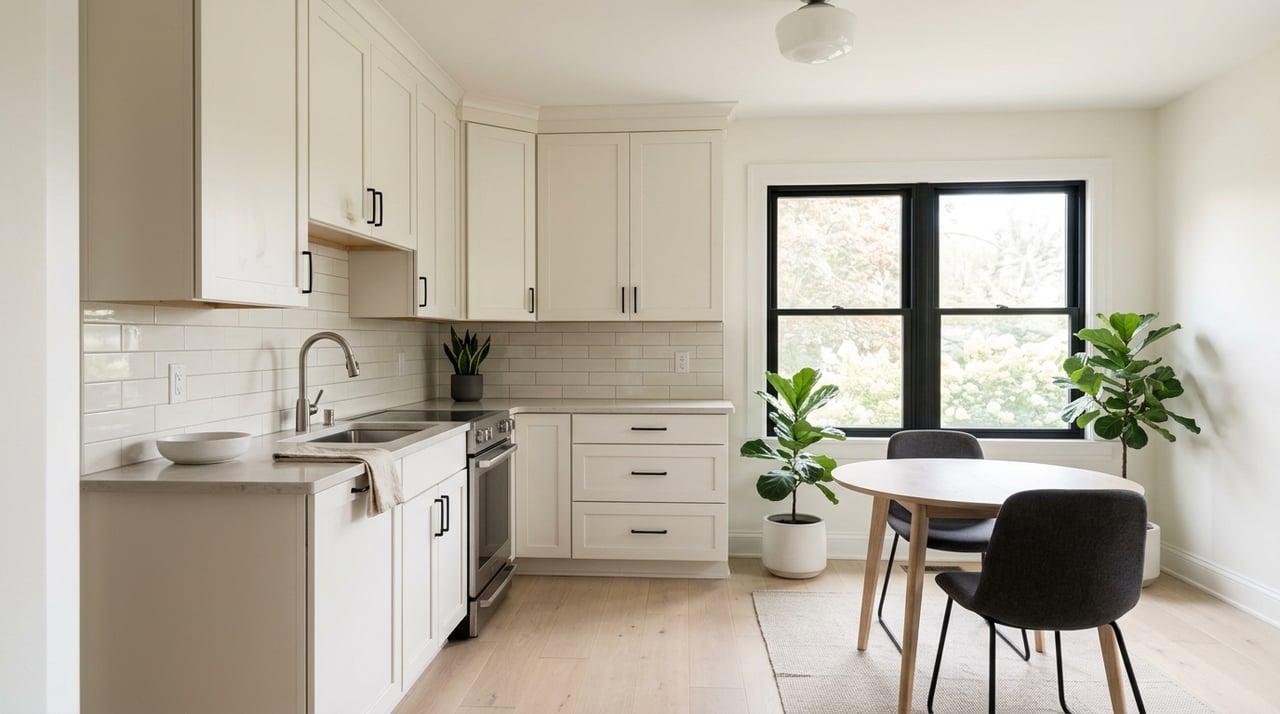
Structural and mechanical items have the greatest impact on value. Roof, foundation, HVAC, and electrical or plumbing concerns can reduce offers or push buyers away. Cosmetic upgrades, like refreshed cabinets, counters, flooring, and paint, increase appeal and can speed the sale. Functional limitations, such as a tight kitchen or lack of a primary suite, usually require a price adjustment.
High-impact improvements
- Kitchens and bathrooms tend to move perceived value the most when done well.
- Quality basement finishes add usable space and can lift value when they feel integrated with the home.
- Energy efficiency upgrades, like newer windows, insulation, and HVAC, are increasingly attractive. If you have utility savings data, share it in your listing.
Pre-listing inspection choices
A pre-listing inspection can surface deal-breakers before they derail your sale. You can repair items strategically or disclose them up front to reduce renegotiations. Balance the cost of repairs against expected price concessions and timing.
Staging, photography, and first impressions
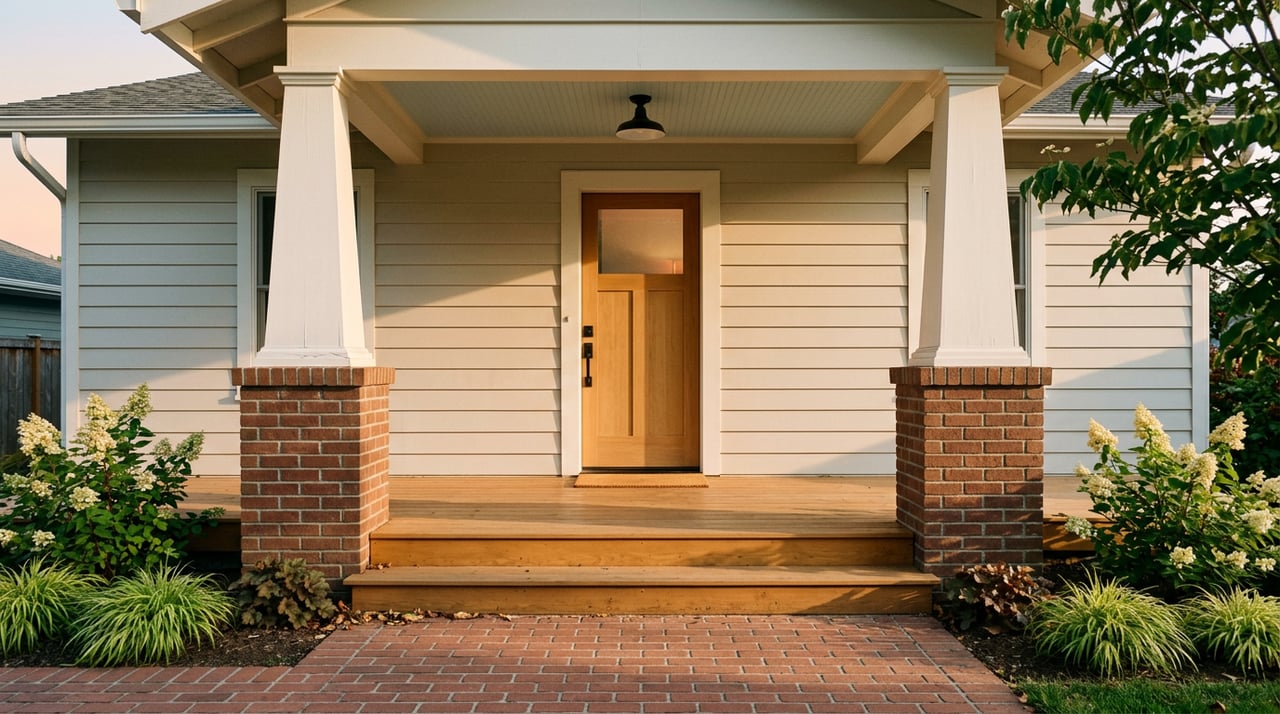
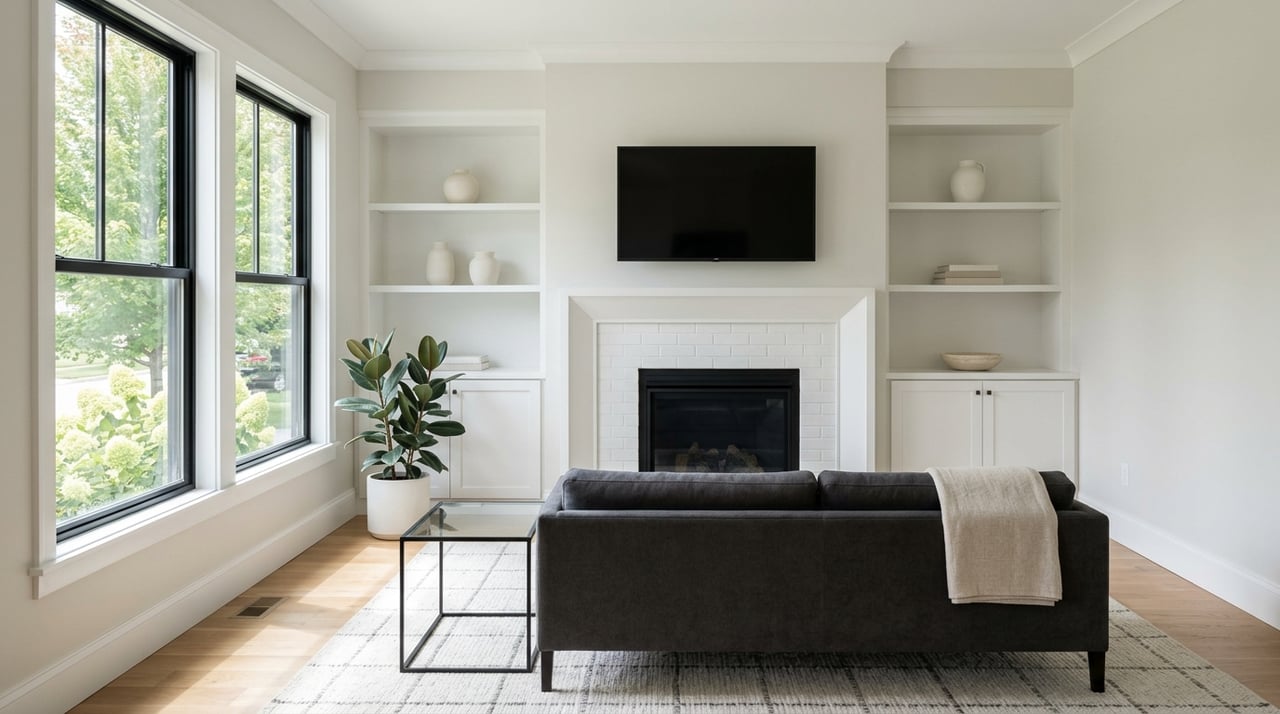
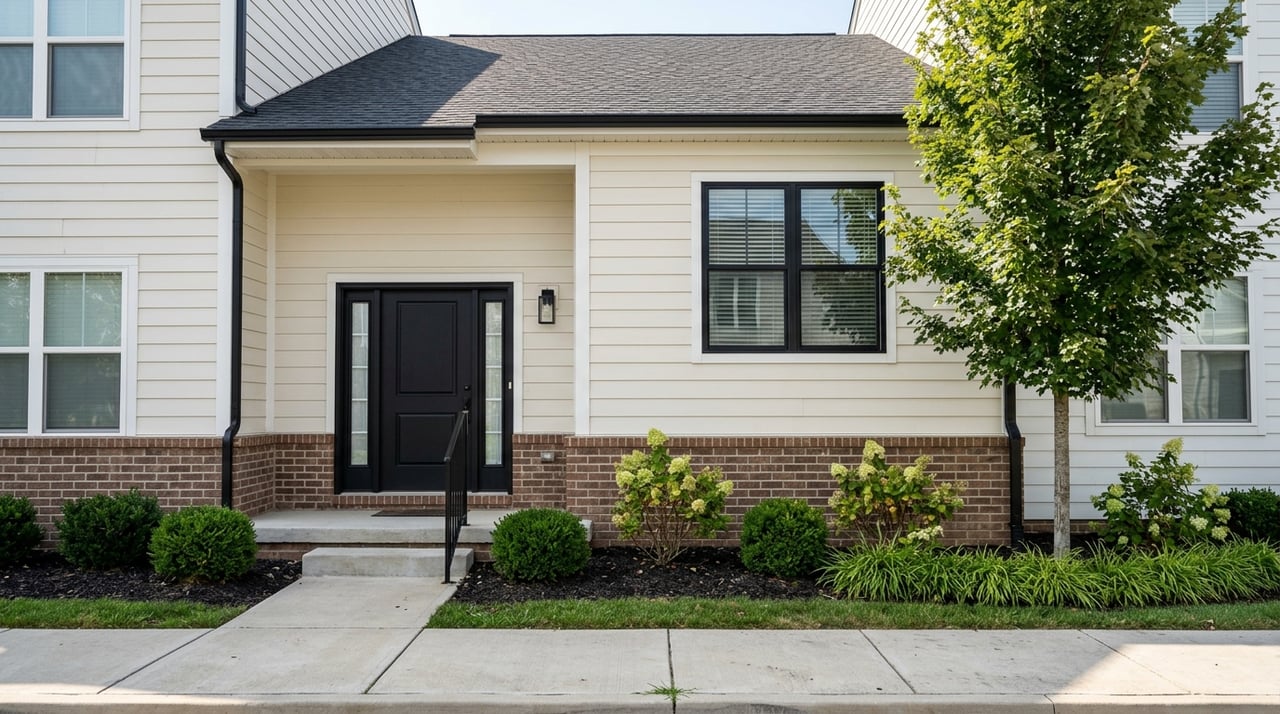
Most buyers start online. Professional photos, accurate floor plans, and clear virtual tours significantly boost engagement. Staging, which includes decluttering and furniture layout, helps buyers picture life in the home. Curb appeal also matters. Tidy landscaping and a welcoming entryway set the tone for the showing and the offer.
Pricing strategies that work here
Your strategy should reflect the CMA, the current inventory, and your goals. The right starting point invites strong early activity and protects your net.
Market-based, aggressive, or aspirational
- Market-based pricing aims right at the supported range. It attracts qualified buyers and avoids long days on market.
- Aggressive pricing sets slightly under market to increase showings and compete for multiple offers. This works best when inventory is tight and demand is high.
- Aspirational pricing sets higher with the expectation buyers will negotiate. It can backfire if the market is not moving up quickly or the home is not unique. Longer days on market often lead to price reductions.
The first two weeks matter
The first 10 to 14 days are critical for exposure and momentum. If you miss this window by pricing too high, you reduce showings and your strongest buyers move on. Pricing in line with the market can create early urgency and competitive terms.
Reading early feedback
Track showing volume and specific comments. If traffic is low or buyers say the home feels small, dated, or overpriced, you have clear choices. Adjust price, invest in easy presentation fixes, or improve marketing. Early, precise changes are better than waiting.
Appraisals vs. the market
An appraiser uses closed sales and adjustments to support a value for the lender. In fast-changing conditions, appraisals can lag active demand. If a purchase price is higher than the appraised value, buyers and sellers can consider a price adjustment, a second opinion, or a buyer cash gap. Keep this risk in mind if you price at the top of the range.
Net proceeds and terms
List price is only one part of your outcome. Closing costs, concessions, repair requests, and taxes all affect net. Non-price terms can also improve your result. A flexible closing date, tightened inspection timelines, or stronger earnest money can make offers more attractive without changing price.
Your pre-listing checklist
Set yourself up for a confident launch with a clear plan and the right materials from your agent.
Ask your agent for these items
- A detailed CMA with 3 to 6 closed comps and clear adjustments.
- Local market snapshots for Cuyahoga Falls, including median price trends, inventory, days on market, and sale to list ratios.
- A marketing plan that outlines photography, staging guidance, online distribution, open house strategy, and target buyer profiles.
- Net proceeds estimates at several list prices, including commissions, typical closing costs, and likely repairs.
- Evidence of recent neighborhood sales experience and average days on market for similar listings.
Consider these pre-listing actions
- Order a pre-listing inspection if you suspect hidden issues.
- Complete cost-effective, high-impact repairs and staging.
- Gather title, survey, and disclosure documents to reduce friction during escrow.
Questions to pressure-test the CMA
- Why were these comps chosen and which carry the most weight?
- How were adjustments calculated, by dollars per feature or price per square foot?
- How do current pendings and actives influence the suggested range?
- What would trigger a price adjustment in the first two weeks, and by how much?
How I price and market Cuyahoga Falls homes
You deserve pricing advice that blends data, local insight, and practical construction knowledge. With years of experience across Northeast Ohio and a background in construction and nursing, I bring both technical and process discipline to your sale. My certification stack in negotiation and seller representation helps you set a smart list price, read feedback quickly, and negotiate for optimal terms.
Your listing benefits from MLS-driven exposure, professional photography, and clear virtual tours that capture attention online. I pair a careful CMA with a launch plan tailored to your micro-neighborhood, whether you are near downtown, canal-side, or in a suburban pocket of the South Side. During the crucial first two weeks, I watch the data closely and adjust fast so you do not leave money on the table.
Ready to price with confidence and move on your timeline? Connect with Kemi Alege to Schedule Your Free Home Valuation and get a local, data-backed plan for your Cuyahoga Falls sale.
FAQs
How accurate is a CMA when pricing a Cuyahoga Falls home?
- A well-built CMA using recent closed sales and clear adjustments gives a reliable range, but the market response and the appraised value ultimately test the price.
Should I price high to leave room for negotiations?
- Pricing too far above market often reduces showings and increases days on market, so a small premium only makes sense for unique features or very low inventory.
Do staging and professional photos affect my sale price?
- Strong presentation typically boosts buyer interest and can shorten time on market, which supports better offers in many Cuyahoga Falls neighborhoods.
How do appraisals factor into my final sale price?
- Appraisers rely on closed sales and documented adjustments, so in shifting markets an appraisal may come in lower than an aggressive list price and require a plan.
What repairs should I handle before listing in Cuyahoga Falls?
- Address safety, structural, and mechanical items first, then focus on high-impact, cost-effective updates like fresh paint, flooring touch-ups, and curb appeal.