Trying to choose between a bungalow and a colonial in Cuyahoga Falls? You are not alone. Many buyers start with a style preference, then realize the real decision comes down to how the home lives day to day, how much updating it needs, and what kind of maintenance fits your budget and routine. This guide will help you compare both styles in practical terms so you can make a smarter move with more confidence. Let’s dive in.
Why this choice matters in Cuyahoga Falls
Cuyahoga Falls is a market where detached single-family homes make up a large share of the housing stock. The city has an owner-occupied rate of 64.4%, and much of the housing inventory is older, with Summit County reporting a median year built of 1965 and many homes built much earlier.
That matters because when you compare bungalows and colonials here, you are often looking at homes with character, established layouts, and varying levels of updates. In many cases, the better choice is not the one with the more appealing label. It is the one with the floor plan, condition, and upkeep needs that best match your life.
What defines a bungalow
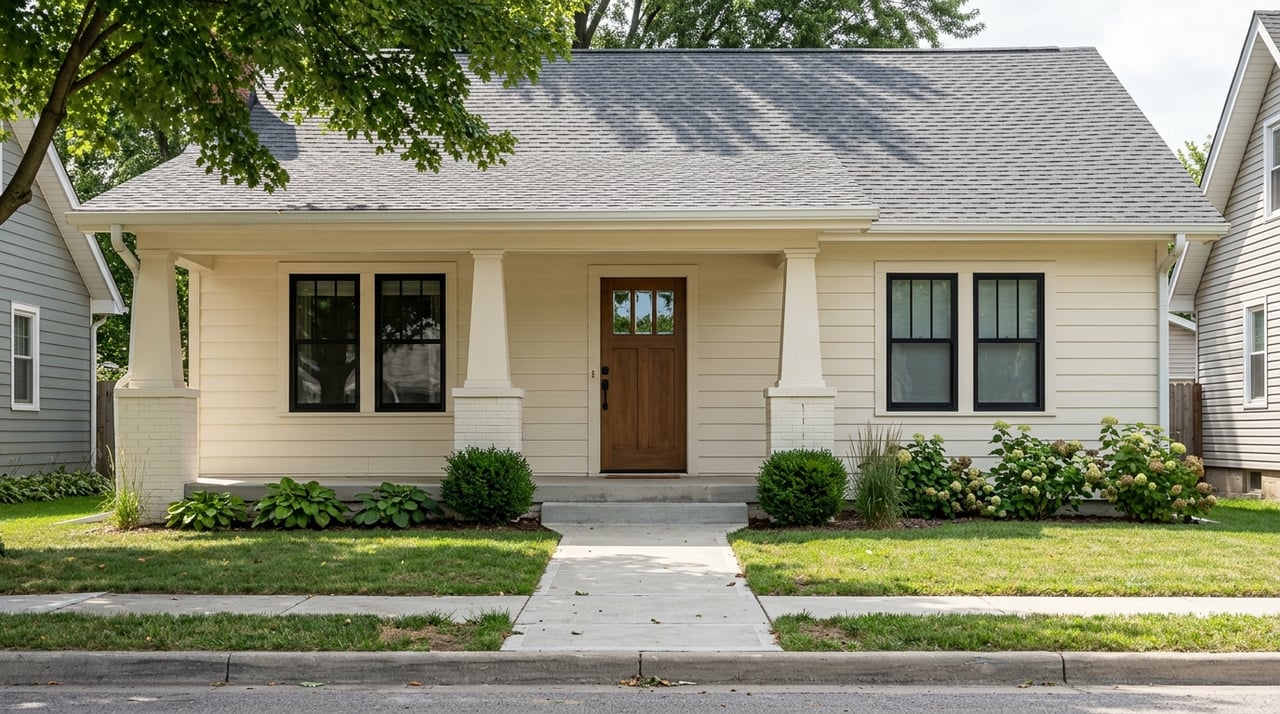
A bungalow is usually a one-story or one-and-a-half-story home with a lower profile. Traditionally, most of the main living spaces are located on one floor, which can make everyday movement feel simpler and more efficient.
In Cuyahoga Falls, local bungalow examples show a pretty wide range. Recent examples include homes around 1,008 square feet, 1,293 square feet, and more than 1,500 square feet. Some have two bedrooms on the main level and an additional bedroom or primary suite upstairs.
Why buyers like bungalows
Many buyers are drawn to bungalows because the core living areas are often concentrated on the main floor. That setup can feel convenient if you want easier daily circulation between the kitchen, living room, bathroom, and bedroom.
Bungalows can also feel more approachable when you are thinking about cosmetic projects. With a smaller footprint, updates to flooring, kitchens, baths, or basement spaces may feel easier to plan in stages.
What to watch for in a bungalow
The tradeoff is that bungalows may have less separation between living space and sleeping space. Storage can also be less obvious, especially if upper-level rooms have sloped ceilings or attic-style areas.
When you tour a bungalow, look closely at how much usable space is truly on the main level. A listing may sound roomy on paper, but the layout matters more than the number alone.
What defines a colonial
A colonial, often influenced by Colonial Revival design, is typically a two-story home with a more symmetrical appearance. These homes may include features like a front porch, centered entrance, gabled or hipped rooflines, and more defined rooms.
In Cuyahoga Falls, colonial examples can also be modest in size. Recent examples range from about 1,144 to 1,478 square feet, which is why you should not assume a colonial will always be much larger than a bungalow.
Why buyers like colonials
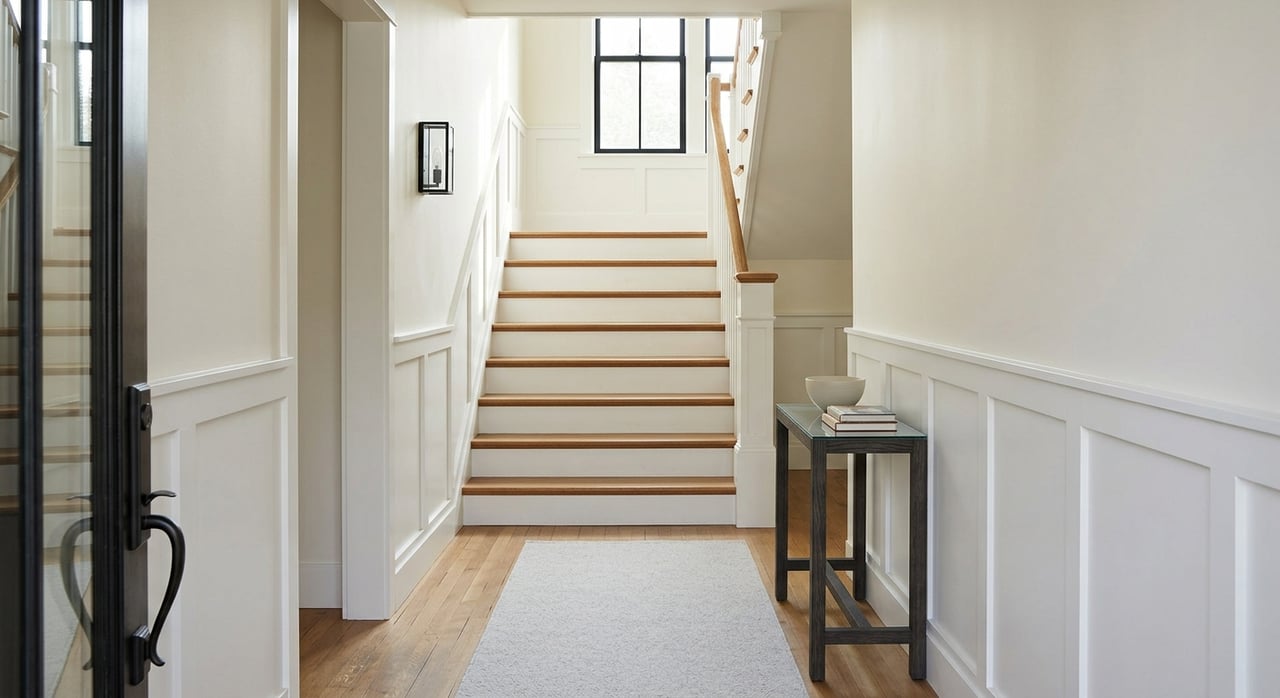
Colonials often offer clearer separation between living and sleeping areas. In many local examples, you see a first floor with spaces like a foyer, living room, kitchen, breakfast area, or dining room, while bedrooms are upstairs.
That setup can work well if you want a more traditional layout or need a room with a little more separation for work, hobbies, or guests. Some buyers also simply prefer the feel of more defined rooms instead of one floor doing everything.
What to watch for in a colonial
A two-story layout can also bring more upkeep. More exterior wall area, more windows, and more stairs can mean painting, cleaning, and maintenance may feel more involved over time.
You should also think about how often you want to use stairs. A colonial may fit your style well, but your daily routine should still drive the decision.
Bungalow vs colonial in real life
In Cuyahoga Falls, the biggest surprise for many buyers is how much these two styles can overlap. Local examples show that both bungalows and colonials may fall into a similar square-footage range, and both can vary a lot in condition and updates.
That means the better question is often not “Which style is better?” but “Which house works better for me?” A well-updated bungalow may be a stronger fit than a dated colonial, and the reverse can also be true.
Quick comparison table
| Feature | Bungalow | Colonial |
|---|---|---|
| Typical layout | One or one-and-a-half stories | Two-story layout |
| Main living areas | Often mostly on one floor | Usually first floor |
| Bedroom separation | Less separation in many cases | More separation in many cases |
| Daily navigation | Often easier to move through | More stairs to manage |
| Storage | May be tighter or less obvious | Often more defined room structure |
| Maintenance feel | Smaller footprint may feel simpler | More windows, walls, and stairs to maintain |
How to choose the right one for you
The smartest way to choose is to focus on function first. Style matters, but layout, updates, and long-term costs usually matter more after move-in.
Here are the questions worth asking as you compare homes.
Choose a bungalow if you want easier main-floor living
If your priority is convenience, a bungalow may make more sense. Having key living spaces on one level can make daily routines simpler, especially if you want less stair use.
This style may also appeal to you if you prefer a smaller footprint and want a home that feels manageable from day one. That can be especially helpful if you are a first-time buyer trying to balance comfort with future project costs.
Choose a colonial if you want room separation
If you want living areas and bedrooms to feel more distinct, a colonial may be the better fit. The two-story layout often creates a more formal sense of structure and privacy between spaces.
This can be useful if you work from home, host guests often, or simply like having more defined rooms. Just remember that the style alone does not guarantee more usable space.
Compare updates before style
In Cuyahoga Falls, condition and improvements can matter more than whether a home is called a bungalow or colonial. Pay close attention to the roof, windows, kitchen, baths, and major systems.
A home with an efficient layout and strong updates may serve you better than a home with your favorite style but a long repair list. This is where a practical, house-by-house review makes a big difference.
Older homes need extra attention
Because much of the local housing stock is older, buyers should go into the search with eyes open. That does not mean older homes are a problem. It means you want to understand their upkeep and renovation needs clearly.
This is especially important in Cuyahoga Falls, where weather also plays a role in how homes wear over time.
Watch roof and water management
Nearby Akron-Canton climate normals show average annual snowfall of 47.2 inches and annual precipitation of 41.57 inches. In practical terms, that means roof condition, gutters, grading, and exterior trim deserve real attention in either style.
For bungalows, check porches, dormers, attic insulation, and upper-half-story spaces carefully. For colonials, pay attention to window condition, exterior paint, and any maintenance that comes with a taller structure.
Ask about lead-safe renovation
If a home was built before 1978, it is more likely to contain lead-based paint. The EPA also notes that homes built before 1940 are especially likely to contain it.
That does not mean you should avoid older homes. It means any renovation that disturbs old paint should follow lead-safe practices, and you should budget accordingly if you plan to update surfaces after closing.
What first-time buyers should focus on
If this is your first purchase, try not to get stuck on style alone. In this part of Northeast Ohio, a bungalow and a colonial can be surprisingly close in size and price sensitivity, while feeling very different in daily use.
Focus on these practical questions instead:
- How much of the home is truly usable right now?
- How much living space is on the main floor?
- How updated are the roof, windows, kitchen, baths, and major systems?
- How much maintenance are you comfortable taking on?
- Does the layout fit your routine today, not just your wish list?
The bottom line on bungalows vs colonials
In Cuyahoga Falls, the best choice usually comes down to lifestyle more than square footage. A bungalow often fits better if you want easier everyday living, a compact footprint, and more main-floor convenience.
A colonial often fits better if you want clearer room separation, a more traditional two-story layout, and a home that feels more structured. Either way, the smartest move is to look past the label and focus on livability, updates, and maintenance.
If you want help comparing specific homes in Cuyahoga Falls, Kemi Alege can help you look beyond listing photos and evaluate how a home will really function for you.
FAQs
What is the main difference between a bungalow and a colonial in Cuyahoga Falls?
- A bungalow usually centers most daily living on the main floor, while a colonial typically separates living areas downstairs and bedrooms upstairs.
Are colonials always bigger than bungalows in Cuyahoga Falls?
- No. Local examples show meaningful overlap in size, so a colonial is not always larger than a bungalow.
Are bungalows easier to maintain than colonials?
- They can feel easier to manage because of their smaller footprint, but actual maintenance depends on the home’s condition, updates, and exterior features.
What should buyers check in older Cuyahoga Falls homes?
- Pay close attention to roof condition, gutters, grading, windows, exterior trim, attic insulation, porch wear, and whether any renovation may require lead-safe practices.
Which home style is better for first-time buyers in Cuyahoga Falls?
- The better choice is the one with the layout, condition, and maintenance level that fits your budget and daily life, not simply the style name.